Blog Archives
Posted on October 31, 2013 at 4:21 pm
If you’re trying to find inspiration in your own portfolio site, testing how design agencies do this is a good place to begin. For today’s weekly inspiration post, we’ve gathered a set of good portfolio sites of design agencies that you may learn lots from. As you’re browsing these website, pay close attention to the best way each agency/designer presents their work, and the way their very own individual style comes through within the designs.
About the Author

I love communication, technology, web, design, movies, gastronomy and creativity. Web writer, portuguese/english translator and co founding father of @refilmagem & @mentaway
Twitter: @gismullr
Here’s every other articles that you’ll definitely find useful.
Posted in Web Design
Posted on October 28, 2013 at 5:15 pm
When visitors come to your site there is one thing that will grab their attention immediately, and that is the website design. By having a fascinating and well organised website design, you will immediately capture the people’s attention. In doing so, you will have kept the visitor at your website long enough to get him or her to read your content.
There are many things you can do to create a fascinating website design, but it is usually a continuous process. As you build more web pages, you will have to continue designing enticing and intricately built web pages. The key to developing a professional appeal from the website is to be consistent. This is why it is imperative that you hit a home run right off the bat when you start to build your webpage by hiring website design Kettering professional.
Consistency goes far beyond the color of the text and the background color. You should make the most of the space on the webpage and stay away from clutter. Many web owners feel that the more stuff they put on the site the better, but this is very far from the truth. As far as the web graphics go, you need to compress your graphics and use the proper graphic format for all of them.
The website design Kettering professional should try to make the website flow as best as possible. If people can easily find what they want on the website page and scroll through the website without any problem, then you have organised your website design well. Combine a well-organised page with consistency and you will attract a lot of return customers.
It is essential to know the facets of graphic design, but it is equally essential that you know what should be avoided. For example, it is important that the website design Kettering professional includes graphics to the web page, but do not overwhelm the readers. All this will do is to clutter the page. As far as staying consistent is concerned, you do not want to use many different types of font. Two at the most should be utilised, one for the content and one for the headlines.
The background that one select will say a lot about the website design and will eventually be the first thing the web visitor notices. Try and avoid having complex background images or images which stand out too much. This will grab the visitor’s attention too much and take away from the content. At the same time, you should not use a dark background with light texts since they will be difficult to read.
As the website design Kettering professional really get into the site design, there many other things he should research on. But for now, these are the basics of web design to help get your site started. As long as one stay away from the don’ts and stay consistent with the website, he or she will be on the right track for a properly developed website design.
Posted in Web Design
Posted on October 27, 2013 at 1:35 pm
A quick glance between the iPhone’s new iOS 7 and its predecessor will show you two troubling trends in graphic design:
- Flat and easy is hot.
- Dimension and dynamic seriously isn’t.
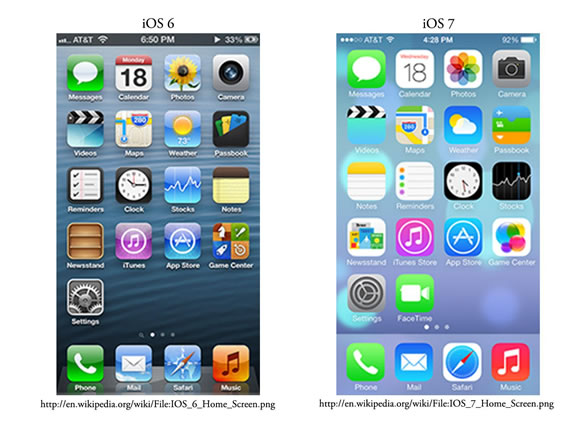
Flat Design and iOS 7: A Tale of Misuse
The flat and bright icons of iOS 7 are a harbinger of a brand new trend in graphic design called “Flat Design.” Flat Design makes a speciality of simplicity and high contrast colors in two dimensions. The issue with iOS 7 isn’t that it uses flat design; it’s that it uses it poorly. One example of serious flat icons appears within the iOS 6 “Game Center” icon:

The iOS 6 version is sublime and it provides a true sense of the variability of games play contained in the app: board (intelligent and quiet), sports (loud and fun), fantasy (space and beyond) and classic (fun and simple to be informed). But in iOS 7, you get multi-colored bubbles. The icon is obscure and says absolutely nothing about what you could anticipate finding within the “Game Center.” Its only purpose is to peer young and stylish.
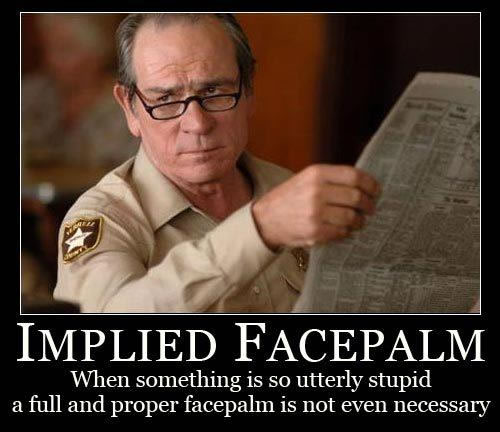 Photo courtesy of vaccinesandevolution.blogspot.com
So What’s the difficulty?
I think the underlying problem with iOS 7 is that it misunderstands why Flat Design is trending in 2013, and it’s something i discussed in regards to the “Game Center” icon. Flat Design is fashionable because it’s well done, and it’s well done because it’s elegant. Trendy doesn’t mean childish as Apple seems to think, and style combines what’s hot with what’s professional.
Creative Market: Icons for the Win
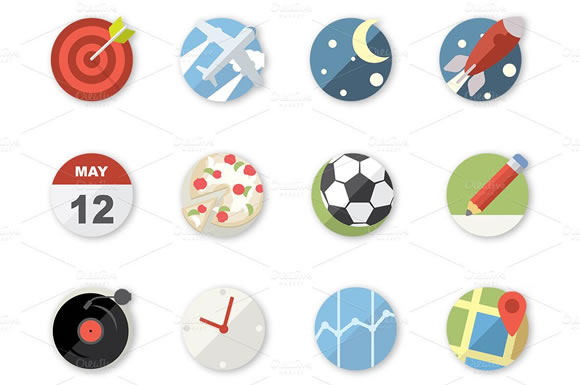
This icon set from Creative Market is a smart example of Flat Design done well. These icons are fun; they’re drawn within the variety of children’s illustrations that keeps them trendy, but they pack an informational punch that keeps them professional.
Parting Thoughts
While smart gadgets and internet culture are clearly injecting fun and “what’s hot” into the pro market, i must question if it’s an honest thing. Maybe it’s just my nostalgia for the category of commercial suits and briefcases, but i believe the trends ought to stay become independent from the business world. In the midst of this text, I inserted a meme — the trademark humor of popular internet culture. Does the modern joke make me seem less or more professional? Is it alright to mix business with pleasure? Is trending graphic design getting too hip for the working world? What do you watched?
Here’s every other articles that you’re going to definitely find useful.
Embracing Technology for Better Experiences
20 Resources for newbie Designers & Developers

6 Not-So-Obvious Mistakes Freelance Web Designers Make

Color: Links, Books & Tools to Make your Life Easier
Interactivity Is King

Posted in Web Design
Posted on October 25, 2013 at 4:11 pm
It’s been said that website design is 95% typography. In order an online designer, getting the typography right is a must. Today with the growing approval for web fonts and modern CSS techniques, this task has become easier, nevertheless it never hurts to have the entire allow you to can get with something so critical. That’s why we’ve rounded up some useful tools that will help you create better web typography.
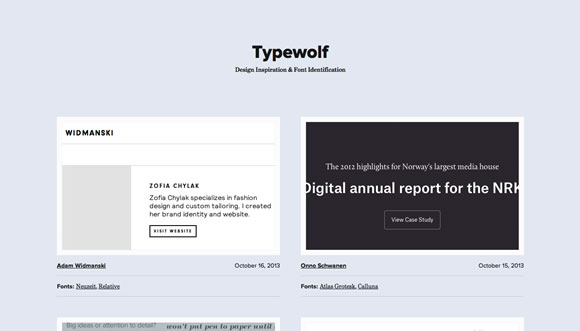
Typewolf
Typewolf is a curated design showcase that identifies the fonts utilized in the design. Our goal is to function a one-stop resource for designers seeking typographic inspiration for the fashionable web.
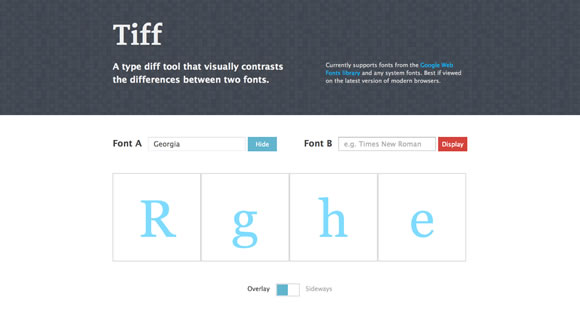
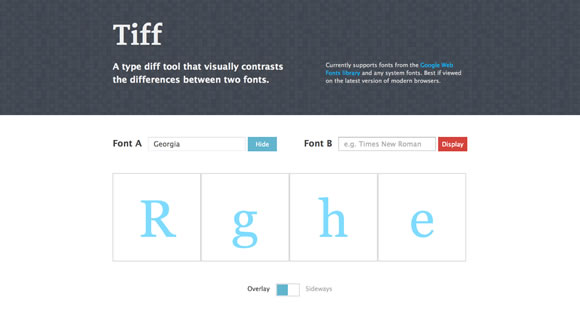
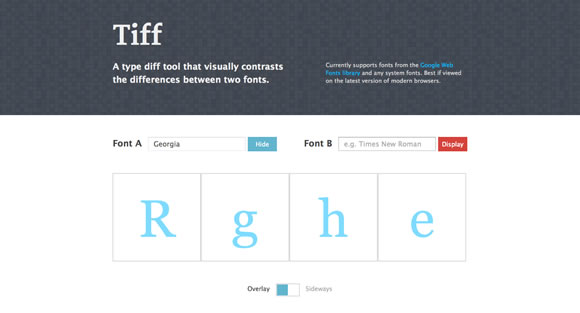
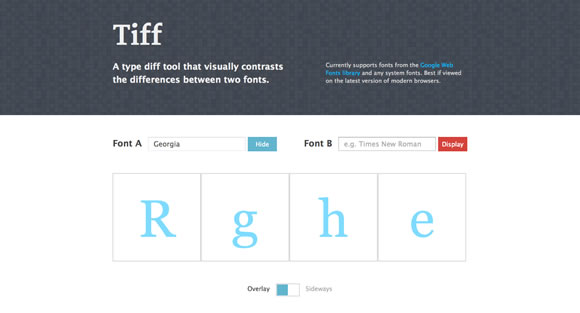
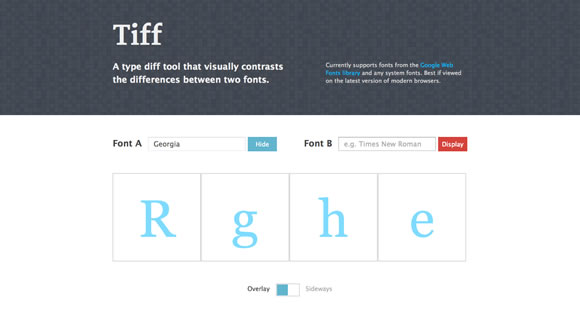
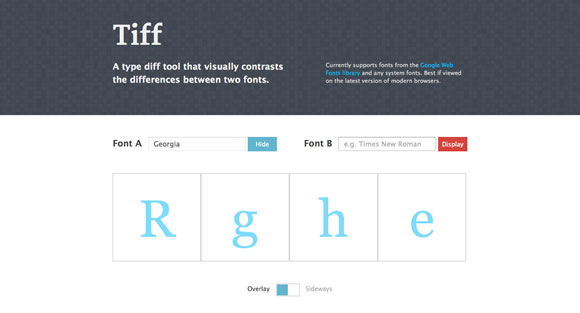
Tiff
A type diff tool that visually contrasts the diversities between two fonts.
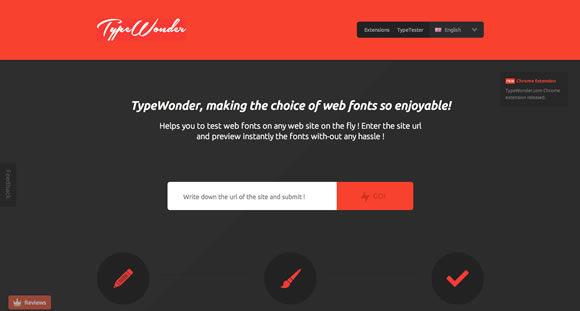
TypeWonder
TypeWonder enables you to test web fonts on any website at the fly!
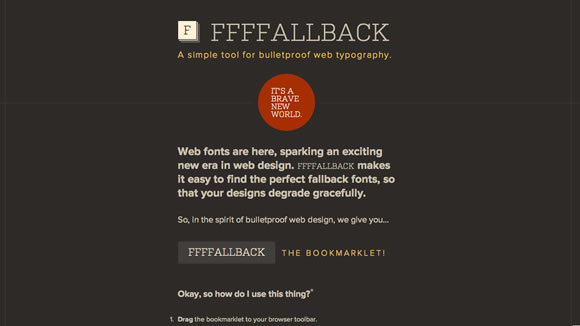
FFFFALLBACK
Web fonts are here, sparking an exhilarating new era in website design. FFFFALLBACK makes it easy in finding the suitable fallback fonts, in order that your designs degrade gracefully.
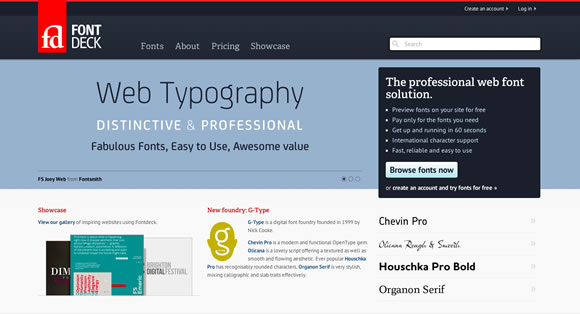
Fontdeck
Fontdeck is standards compliant, accessible and uses a pure CSS @font-face solution. No JavaScript required.
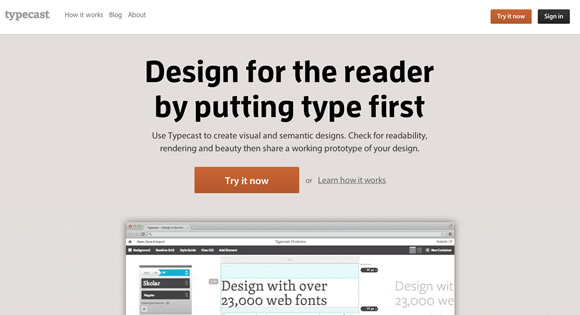
Typecast
Use Typecast to create visual and semantic designs. Check for readability, rendering and wonder then share a working prototype of your design.
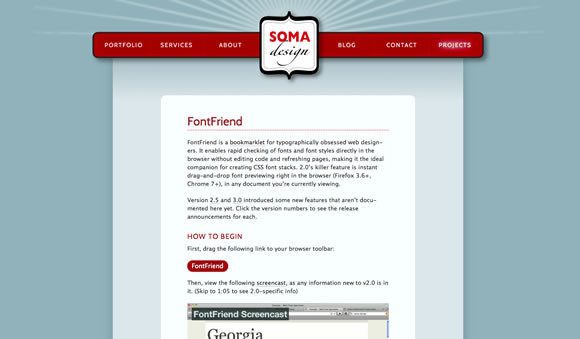
FontFriend
FontFriend is a bookmarklet for typographically obsessed web designers. It enables rapid checking of fonts and font styles directly inside the browser without editing code and refreshing pages, making it the appropriate companion for creating CSS font stacks.
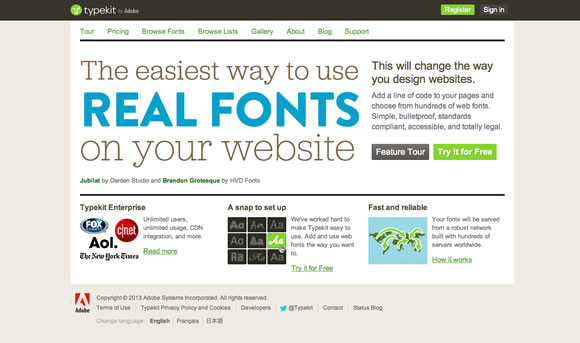
Typekit
The easiest method to make use of real fonts for your website.
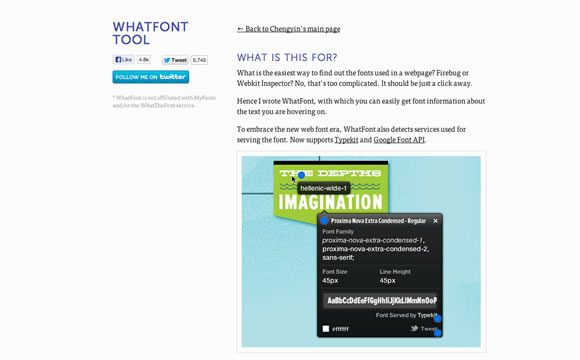
WhatFont
WhatFont also detects services used for serving the font. Now supports Typekit and Google Font API.
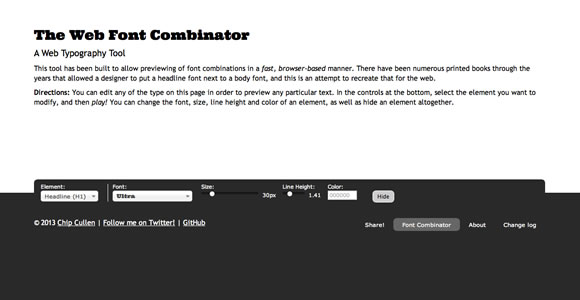
Font Combinator
This tool have been built to permit previewing of font combinations in a quick, browser-based manner. There were numerous printed books over the years that allowed a designer to position a headline font next to a body font, and it’s an try to recreate that for the net.
Here’s another articles that you are going to definitely find useful.
Type and Color Inspiration from Package Design
 0
0
8 jQuery Plugins Worth Checking Out
 1
1
12 Hand Written Fonts for Designers
 2
2
9 jQuery Plugins for bettering Website Navigation
 3
3
Color: Links, Books & Tools to Make your Life Easier
 4
4
Posted in Web Design
Posted on October 23, 2013 at 11:45 am
Textures can certainly add a pleasant touch to an online design, giving a page personality and depth. From textured backgrounds to texturized overlays or even textured design elements, there are several alternative ways of adding texture to an internet site. So for today, we’ve rounded up a set of stunning sites that take this approach.
About the Author

I love communication, technology, web, design, movies, gastronomy and creativity. Web writer, portuguese/english translator and co founding father of @refilmagem & @mentaway
Twitter: @gismullr
Here’s every other articles that you’re going to definitely find useful.
Posted in Web Design
Posted on October 19, 2013 at 12:39 pm
In the start there has been a concept. And the speculation was formless and void, and it needed such a lot to be forged right into a real project. And the entire strategists, creatives, designers, project managers and techies were moving over the skin of it and spoke already different languages.
The thin line between excitement and disaster
 Image by Amir Hadjihabib
You already know the tale. It’s a few downslope, leading from an excellent idea to a mediocre end result. It’s about misunderstanding and never checking feasibility. It’s about not putting the entire parts together, and attempting to push a round peg right into a square hole.
The ideas are much valuable but always must be confronted with constraints. What does an concept should be completed? Is it even feasible? On the earth of digital projects, different factors have to be considered. The sort of, and perhaps the obvious one, is technology.
You should check if the project is possible at various stages – not just on the very beginning, but additionally during production. As a matter of fact, all of us in a digital project should know and understand a little bit what people do. Sounds easy, doesn’t it? But reality says that every of the groups are inclined to pull one of the decisions within project towards them. My UX is more important than your visual design. My visual design is more important than your code. My code is more important than your UX.
Technology is a pivot here. It doesn’t matter what, it’s always a two-faced jack: a rock-solid foundation for the project and an impassable limitation. Looking to leap over this limitation may be fatal for a project. In other words – which you could break some UX and visible design rules, but you won’t turn a screen display into mirror or increase the throughput of the mobile link the top user has access to. Period.
In the dominion of the blind the only-eyed are kings
You don’t should be a one-man army. It’s enough to grasp the fundamentals and “feel” the restrictions. Just know the bounds and also you are the king. a great web designer does know some CSS and understands how the fluid grids work to supply responsiveness for a website. This information lets him to create designs which can be more feasible to implement and are still creative. Good UX designer, whilst, knows the technological constraints enough to not design something that simply won’t work. Front end developers and programmers ought to know the way to regulate the technology to satisfy both requirements of the user experience design and visible design. It gets much more tricky in case you ought to fit the budget, obviously.
This is why it is advisable adjust. This is because both basic and correct knowledge of the technology is so important. It always manifests in having a robust team of people that understand technology. You’re the trigger, you raise the flag, they do the remainder on their dedicated field. Simple.
Anticipating technology
 Image by Michael Spitz
Anticipating technology is most often knowing the limitations and getting the foremost from the projects within these. The limitations come from various sources – both user- and server side. It’s good to anticipate the location performance, considering what kind, from what sources and what kind of data an interface might want to load, and what server side or javascript operations must be performed inside the background. In accordance with this sense, you ought to suggest patterns that can work properly inside the (statistically) standard environment. Sometimes you simply must think server-wise, at other times you want to leave your desk (well, no less than: mentally) and do not forget that real users don’t use rocket-speed, 27” machines and the performance in their machines is significantly lower.
Of course, there are rational limits for adapting to user-side constraints. You won’t make everyone happy, you are able to only make happy the reasonable, statistical majority. But even then you definitely can use graceful degradation for the remainder of them. It’s another great way to provide the optimal level of awesomeness, simply by slightly decreasing experiences for older browsers and slower machines.
Making everyone happy is a wrong direction to head. While it’s, obviously, tempting, the price of implementing it versus the genuine profit, either for users or for business owner of the project, may be unjustifiable. I remember one interesting case with providing users to upload some very specific file format (actually: a host of formats) to the server and perform very demanding transformations at the server-side. Providing it’ll want a significant increase of the project costs, only to fulfill a small selection of users (like: 0.2% of them). There isn’t a business justification to this.
Planning technology
Planning technology goes beyond the limitations. Sometimes, the strategic, functional and (what turns to be primary on the end) business requirements of the project need extra power. Without it, you won’t be capable of reach the predicted return at the investment. Once you must comply with the technology users have of their hands, you are able to do the most efficient valuable to construct high-efficiency solutions at the server side, building thin-client interfaces in place of pushing your complete responsibility at the end-user machine.
Using data warehouses is one in all such situations. If a project should manipulate on high amounts of knowledge, you should be conscious about that on the very stage of UX design. You won’t manage to provide efficient patterns for data manipulation and presentation without it. You don’t should be very specific about it – all it’s good to do is raising a flag on the very starting to let everyone know and watch for the suitable people to leap in and to the remainder. After all , because it will not be your field, sometimes you will be wrong, but it is a matter to be checked by techies.
One of discussions i’ve once participated in, regarded displaying result of video search from multiple video-hosting services. While a majority of these displayed the effects almost instantly, the alternative ones API returned results with a substantial delay. Because the search engine idea was to display the hunt results which are most relevant to the quest query, and there has been a time limitation in receiving the complete list of videos from the whole sources, it might only be done on the cost of either of those: the effects accuracy or delay. That is an example of situation, where UX must adapt to technology.
When it involves planning technology, costs are involved. Sometimes heavy. This can be a pity when it seems in spite of everything which you cannot afford a far better technology inside the given budget, nevertheless it happens sometimes. In these situations it’s worthwhile to go lean, even perhaps the MVP way and stay on the level of providing the most effective you could. But, well, it’s worth looking to convince the boss, that the investment is critical, anyway
Keeping track at the implementation
 Image by Jip
UX design is ready designing experiences, not only interactions or wireframes. As such, it doesn’t end with the last view designed, be it wireframe or graphic design. Keeping track at the implementation itself is essential as it’s the instant the designed interactions actually come to live.
It often happens that something goes wrong on the phase of implementation. The designed patterns aren’t implemented properly and the ultimate product is way from what you may have designed. Assuming that you’ve got done your best anticipating and planning proper technology, this could not happen or a minimum of the impact of it would be minimal (it is where nothing describes the location better than the ole’ good tree project image – just google it).
Of course, situations happen, that you’re not ready to predict everything and it is crucial to regulate the UX idea at the fly. This aspect, however, gets minimized when your knowledge of technology is higher.
Sometimes, however, you could, especially when the project crew implements something that does work, but would not provide proper experience for the user. Take responsive images to illustrate. You are able to take care of them either inside the browser (which, for users on mobile link means much more data to download, leading to lower page loads and – finally – lower conversion of the location). But there’s also feasible to give this responsiveness on server side, preparing scaled versions of the pictures at the fly and serving these rather than their big brothers.
Getting inspired by technology
Technology, as already mentioned, can not be only regarded as constraint, it’s also very inspiring. Even at an excessively basic level, it could actually result in designing better interfaces. For this reason a regular dose of Wired, WDL, TechCrunch or The Verge is so important. You learn new things, or even for those who don’t – you at the very least get responsive to these and this results in new ideas of using the recent technologies and, therefore, designing better experiences.
So read plenty. And ask so much.
“Why don’t we use that, i’ve examine it somewhere?”
Surely, why not?
Some quick and practical tips:
- Keep track on technology – you don’t must be a tech guru, a basic knowledge is fair enough to trace usability problems on the very beginning, find new possibilities and are available up with new, better ideas.
- Try to work with those who have general knowledge concerning the technological aspects of the project, whether it isn’t their main field.
- Do a feasibility check on the stages of ideation, UX design and graphic design.
- Think budget-wise. Discover which changes can provide your project a lift that justifies additional investments.
- Check if during implementation things go into the proper direction. If necessary, adjust your strategy, UX and design to handle technological constraints that seem during production.
Here’s another articles that you may definitely find useful.
20 Resources for amateur Designers & Developers

6 Not-So-Obvious Mistakes Freelance Web Designers Make

Color: Links, Books & Tools to Make your Life Easier
Interactivity Is King

The Web Designer’s Cheat Sheet
Posted in Web Design
Posted on October 17, 2013 at 4:35 pm
In Resources
Posted by Henry Jones on Oct 9, 2013 | One Comment
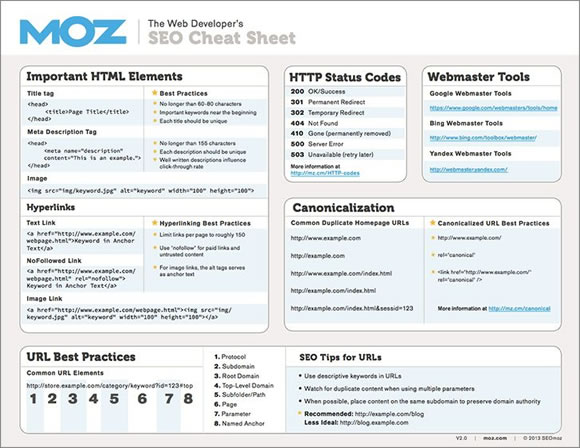
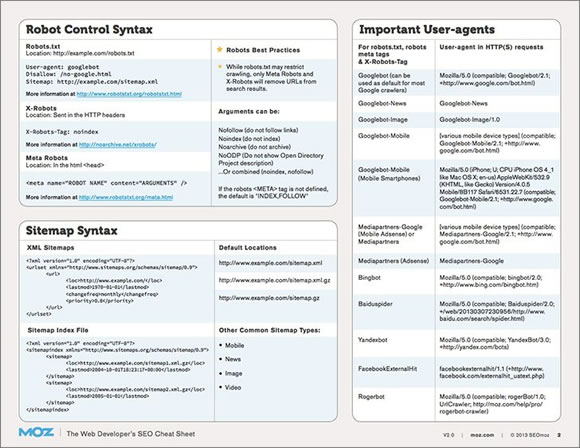
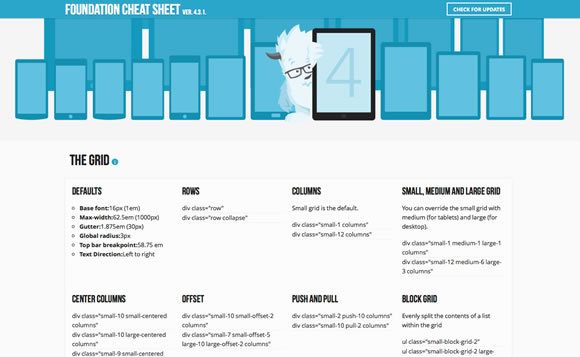
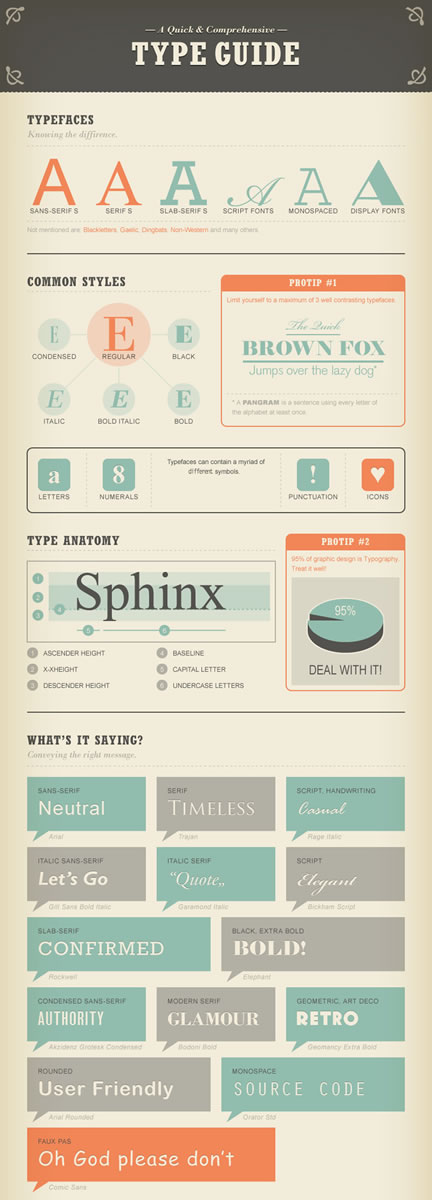
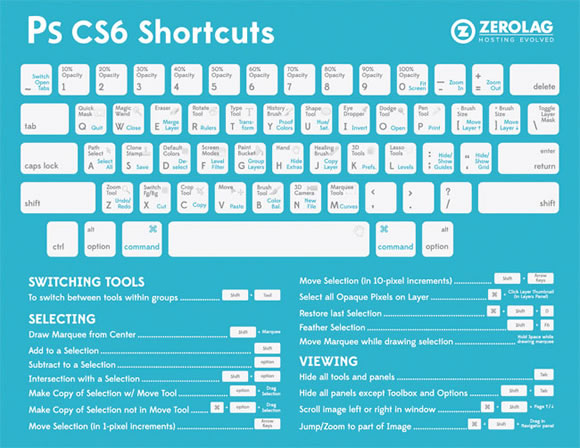
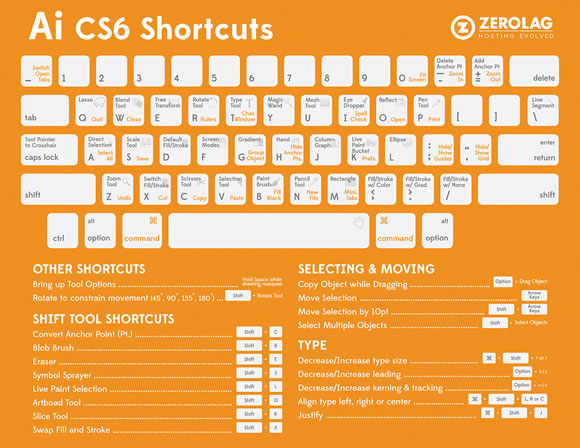
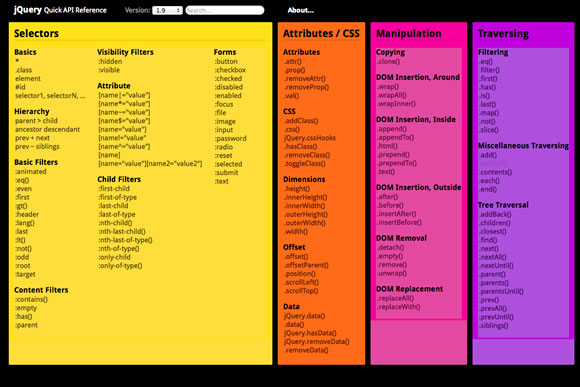
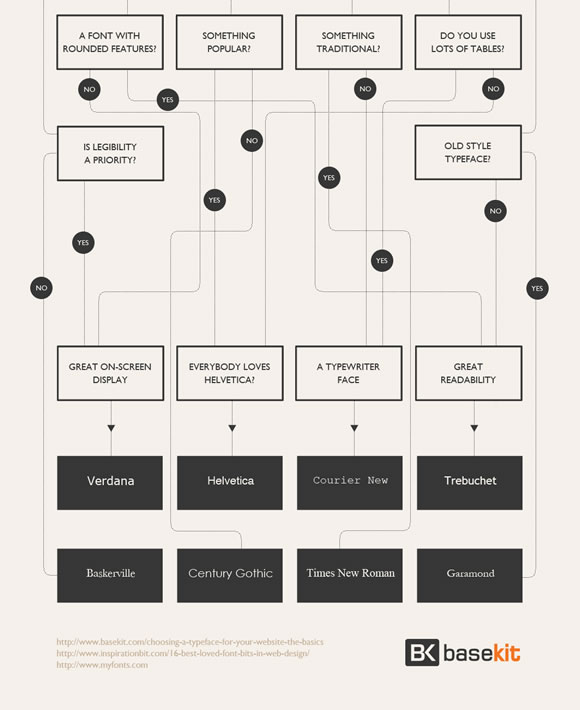
As an online designer or developer, it’s nearly impossible to bear in mind multiple programming languages, frameworks, and keyboard shortcuts to varied applications. Here is where cheat sheets is usually a life saver. Most cheat sheets are designed to be printer friendly, so that you may have them laying around to your desk as quick reference cards. So that you can make your life easier, we’ve rounded up a variety of cheat sheets that you’re going to surely find useful.
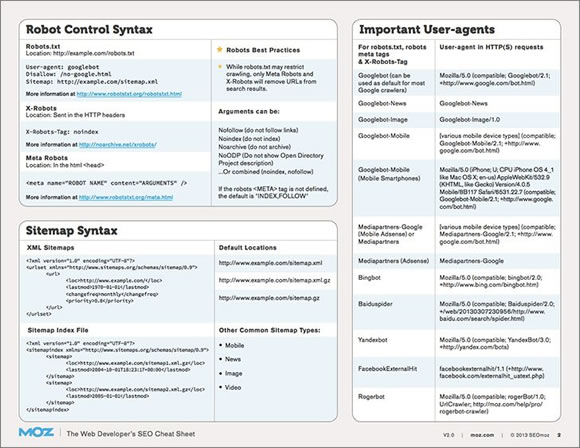
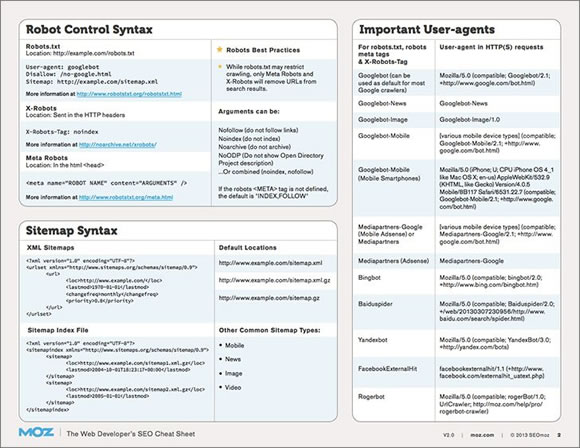
The Web Developer’s SEO Cheat Sheet 2.0
Bootstrap Cheat Sheet

Foundation Cheat Sheet
Type Guide
Photoshop CS6 Cheat Sheet
Adobe Illustrator CS6 Shortcuts Cheat Sheet
jQuery Cheat Sheet
Choosing an online-safe font to your website
Here’s any other articles that you are going to definitely find useful.
Photoshop CS6 Cheat Sheet
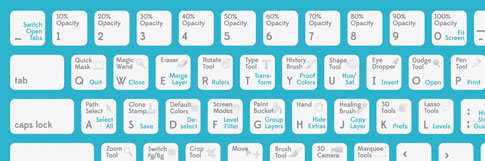
8 Cheat Sheet Wallpapers for Designers and Developers
 0
0
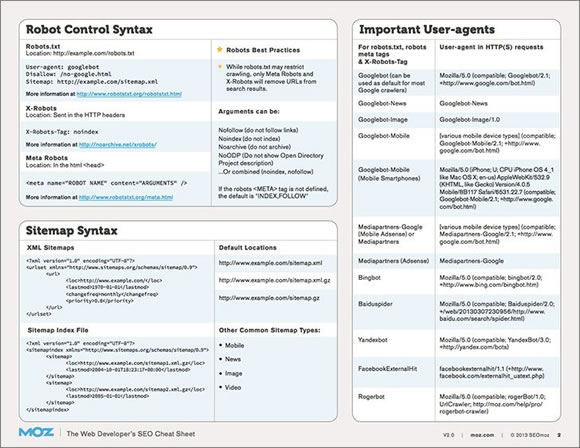
11 Helpful Cheat Sheets for Popular Google Products
 1
1
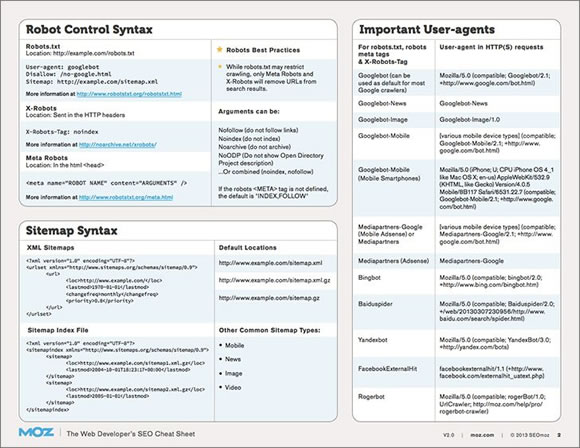
15 Useful HTML5 Tutorials and Cheat Sheets
 2
2
14 Most excellent Website design Cheat Sheets
 3
3
Posted in Web Design
Posted on October 15, 2013 at 12:41 pm
When it involves parallax scrolling, the road that separates good and bad choices is pretty thin. it slow back parallax was getting used to deliver an explosion of elements floating across the screen, and many times the internet sites using the effect were a piece overwhelming. Fast forward a pair years, polish the belief and remember that the “less is more” concept also works for parallax, and you’ve got websites with elegant scrolling effects – just like the ones we’ve rounded up for this post.
About the Author

I love communication, technology, web, design, movies, gastronomy and creativity. Web writer, portuguese/english translator and co founding father of @refilmagem & @mentaway
Twitter: @gismullr
Here’s another articles that you’ll definitely find useful.
Posted in Web Design
Posted on October 13, 2013 at 1:46 pm
Here at WDL we believe that groovy design is usually inspiring, and it doesn’t matter if we’re talking about print, product, web or package design. So today we’ll show you some beautifully designed packages. Designs which might be inspiring for many reasons, from typography to paint, from textures to composition. We believe that web designers can always learn from good design in all mediums. So take some time to look at how the weather are beautifully prepare here. And be sure to click the pictures to be informed more information about each project.
About the Author

I love communication, technology, web, design, movies, gastronomy and creativity. Web writer, portuguese/english translator and co founding father of @refilmagem & @mentaway
Twitter: @gismullr
Here’s another articles that you’ll definitely find useful.
Posted in Web Design
Posted on October 11, 2013 at 4:10 pm

Advertise here with BSA
To keep your library fresh and various, today we gathered eight beautiful free fonts on your designs. In the event you were wanting something fresh, creative and different, look no further, you simply found the fonts you were seeking. Braxton ATF Lorem Bouh Type font ROUNDA Vast Shadow Sabado High Tide font Sequi
Posted in Web Design
« Previous Page — Next Page »