
Designing Mobile Forms and Inputs
Posted on November 26, 2013 at 12:42 pm
As the choice of smartphones continues to skyrocket, the significance of mobile website design grows alongside it. Web designers are actually forced take into consideration mobile users and mobile devices when designing websites. The smaller screen size of smartphones forces designers to take a brand new solution to user interface elements. Elements and styles that work well on desktop can appear broken when viewed on smartphones. User friendly form inputs that encourage completion and submission are essential when designing a pretty good mobile friendly website. Today we shall check out the way to design attractive and user friendly form elements and inputs.
Labels
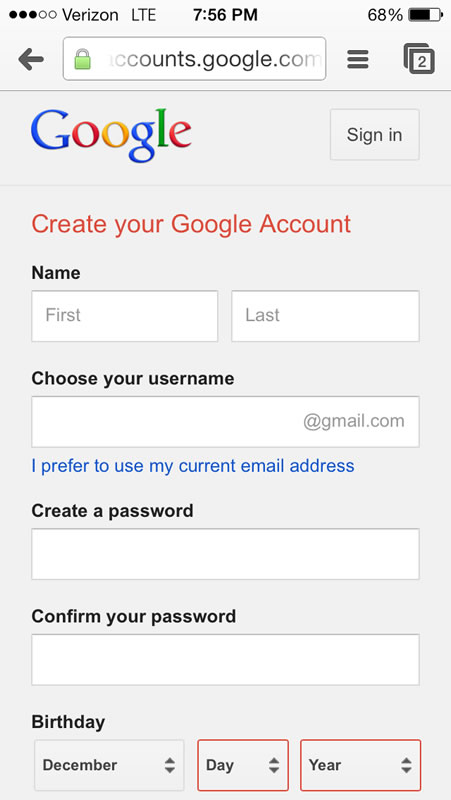
First we’ll start with designing and selecting the right location on your input’s labels. Choosing a location to your mobile input labels is critical and if you’re not careful they might not be visible or may present problems on your mobile user. Labels to the left or right can easily be bring to a halt so it is usually best to top or bottom align mobile input labels. Field zoom can exacerbate the matter by removing labels when zooming in. Short labels also are recommended as screen size is a crucial asset and long labels will often be compromised by field zooming. Because the image below shows google aligns their input labels on top to be certain they don’t seem to be bring to a halt.
Elements
Due to the smaller screen size of mobile devices it’s necessary to keep the shape so simple as possible. A method to reach this by combing elements into one field or by removing unnecessary ones. As an example in place of requiring street, city and zip you can simply ask for the address. By reducing the variety of elements and simplifying the shape you can quickly and simply improve your user’s mobile experience. Another option to simplify your mobile form is by removing unnecessary inputs and keeping only what’s truly needed for the shape. For instance if in case you have a kind that asks for name, email, message and the way you heard about us consider removing the the way you heard about us field. It’s unnecessary and only complicates the shape. Removing it allows the user to accomplish the shape easier and increase the likelihood of the shape being submitted. Descriptive tags and links may also be removed for you to free screen space and improve your forms usability.
Orientation
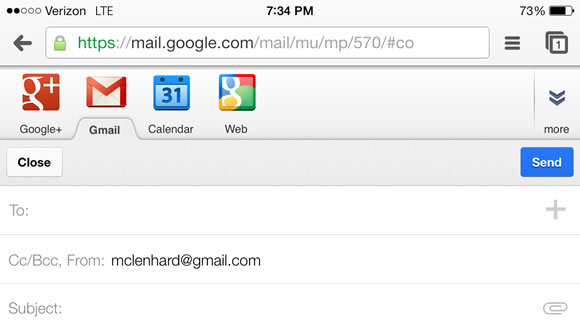
The orientation of a mobile device drastically changes the viewing dimensions and it is vital to take changes in orientation into consideration when designing your mobile forms. It’s necessary to test your form in both orientations to ensure your users won’t face any problems when filling out your mobile form. Google does this well of their Gmail web application and when your phone changes to portrait landscape the screen adapts to provide a much broader text box.

LinkedIn shows you what can get it wrong when designing inputs for mobile devices. After clicking on an input after which switching orientations the keyboard dominates the screen and you may now not see what you’re entering.


As mobile device usage continues to grow innovations can be made in mobile web. The mobile web continues to be in its infancy and it’s exciting to determine what’s to return.
Here’s another articles that you’re going to definitely find useful.
How to construct an internet site that Adds Value for your Brand

The Smartphone Face Lift: Is Apple’s Design Too Trendy?

Embracing Technology for Better Experiences
20 Resources for amateur Designers & Developers

6 Not-So-Obvious Mistakes Freelance Web Designers Make

Posted in Web Design