Blog Archives
Posted on June 10, 2014 at 4:40 pm
With rapidly growing mobile technologies, we’re ready to browse the net and do a load more operations with smartphones which earlier were available only on laptop. Checking your analytics would show that greater than 20% of users come on your site from mobile devices of various kinds, and this number is increasing day after day. Therefore, it’s quite essential to adapt to the constantly changing market and take a look at to delight the users. Restaurants, cafes, and other food-oriented establishments should contemplate specifically designed mobile applications that will avoid losing customers, and to also gain new ones.
Having a well-designed user-friendly mobile application on your business is sort of a vital part of your your brand. Here i’ve collected 30 tasty food mobile application designs that could inspire you, and moreover, make your mouth water. You’ll see successful usage of delicious images, sweet fonts, lovely textures and coloring which create inspiring pleasant mobile apps designs. If you’re seeking for inspiration in your next food-related mobile project, be at liberty to scroll down and get it!
Yummly Mobile by Douglas Hughmanick

SnapEat | Logo & App by Luke Davies

Bakery by Mike | Creative Mints

Culinary Treats – Website by Sonika Agarwal

Susie Bon-Bae – mobile app by Mario De Kauwe

N-Receitas – Nestle by Thing Pink Digital & Mobile

The Whole Pantry by Zane David

VM – Guia do Sabor App by Bruno Ribeiro

Loading Screen by Zane David

Rise & Shine App by Anna DeFazio

MySushi App by Joseph Brown
 0
0
iPhone App Store Profile by Mason Yarnell
 1
1
NomNom by Marc-Antoine Roy
 2
2
La Laguna Food&Drink | App by Asdrubal Marichal
 3
3
iPhone App UI by Oleg Sheremet
 4
4
Slide Menu (code) by Alvaro Carreras
 5
5
Keto Recipes – Mobile App by Amir Vhora, Pixack Design Studio, Mubin ul haq Vhora, and Tanzila Vhora
 6
6
WHAT”S COOKING by Pearl Mendonza
 7
7
Cookspiration App by Whoa Inc.
 8
8
COOK.IN by LIER mathilde
 9
9
Daily Specials app project by Ben Dunn
 0
0
Apetit Online App by Michael Dolejs
 1
1
Food App by Donald Johns
 2
2
Cookish by Emmanuel Mourgue
 3
3
The Summit | A Mobile Breakfast App by Stephanie Hawn
 4
4
burpit by Jason Grote
 5
5
Allo – The Friendly Food Finder App by Ryan Thomas Bennett
 6
6
Sushi Line Restaurant – Mobile App by victor antonelli
 7
7
B.Easy iPhone App: Flat Interface Design by Christian Pfeiffer
 8
8
FoodPocket iOS App by nasserui
 9
9
Posted in Web Design
Posted on June 4, 2014 at 4:13 pm
The CSS3 @font-face rule and services like Google Fonts have really spread out the doors for individuals to be more creative with web typography. Google Fonts has over 630 fonts available to make a choice from, and listed here, I’m going to expose you an especially easy solution to use them on your WordPress site – not they all instantly, obviously. Because that will just be crazy.
On the Google Fonts site, they do a superb job of providing instructions which are simple and hassle-free. However, following their instructions requires that you just modify the header.php or functions.php files of your WordPress theme to import the fonts. And you’ll also have to add the mandatory CSS to the way.css file. While this isn’t a very difficult task, there’s a better way.
First, you’ll must download and install the Google Fonts plugin from ThemeTrust. The cool thing about this plugin, is that it integrates directly with the WordPress Customizer, allowing you to immediately see how your typography will look as you put your fonts.

Once you’ve gotten the plugin installed, visit Appearance->Customize, and click the Google Fonts for ThemeTrust tab.

Within the panel, you’ll see eight different sections:
All Text, Paragraph Text, Header 1, Header 2, Header 3, Links, Blockquote, List Item
In each section, you may select a font and set the load for that font. There’s also a field to go into custom CSS selector. So as an instance, in case you desired to only set a custom font for the h3 tags within the footer, you could possibly enter something like this within the Custom Selectors field inside the h3 section: #footer
You also can add multiple selectors by separating them with commas, like this: #footer, #sidebar
Conclusion
As you will discover, it is a much simpler solution for using Google Fonts on your WordPress themes, especially in case you don’t get their hands dirty by editing theme files. And having the choices integrated directly into the WordPress Customizer permits you to quickly see what fonts will and won’t work together with your site.
Posted in Web Design
Posted on May 31, 2014 at 4:35 pm
How does this website make you are feeling?
On the skin, it could seem that reading an editorial on a web site is an emotionless experience, but science tells us that we use emotions to notify our understanding. So, yes, you’re experiencing an emotion straight away, but what could it’s? Let’s get back to that query on the end of the object, with enhanced understanding.
What is Emotion?
In his book, Your Brain: The Missing Manual, Matthew MacDonald describes emotion because the “brain’s auto-programmed response to certain stimuli.” He carefully distinguishes it from feeling. Feelings are the style we interpret emotion. Whereas, emotion is immediate, unconscious, and visceral, feeling, nevertheless, is processed and conscious.
Why is Emotion Important In Design?
“I’ve learned that folks will forget what you said, people will forget what you probably did, but people won’t ever forget the way you made them feel.”
-Maya Angelou
Emotion has the facility to foster an enduring relationship along with your visitors. In the event you can elicit an emotional response from a visitor, he’ll remember the experience long after everything else has faded.
Take a glance at these websites:
Mahe
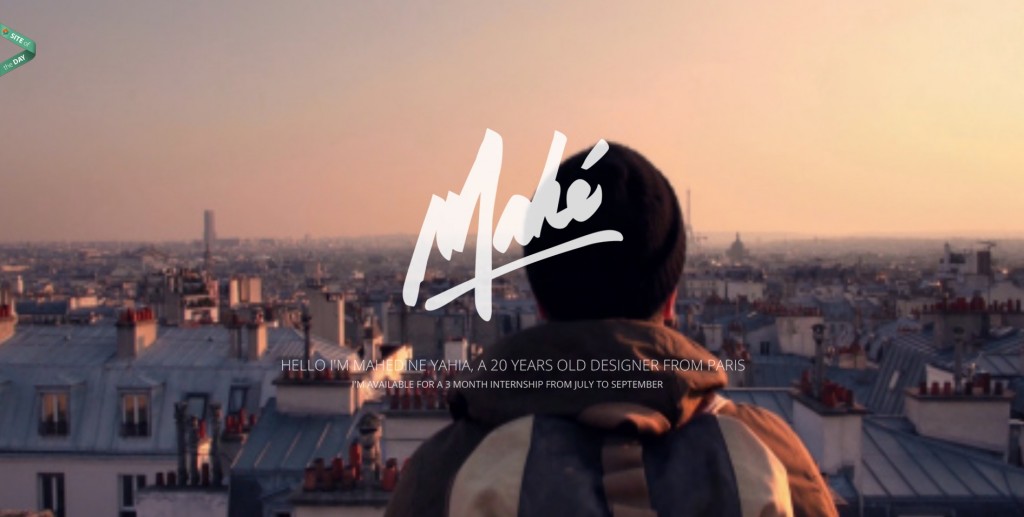
You start off with a wonderfully lovely view of Paris-but nothing we’ve haven’t all seen before. What makes you sit up straight and take notice is the animation effect. It’s simply beautiful and surprising. Although you are able to not remember everything about this site, you’ll certainly remember the sensation of surprise as you scrolled down for the 1st time.
Iugo
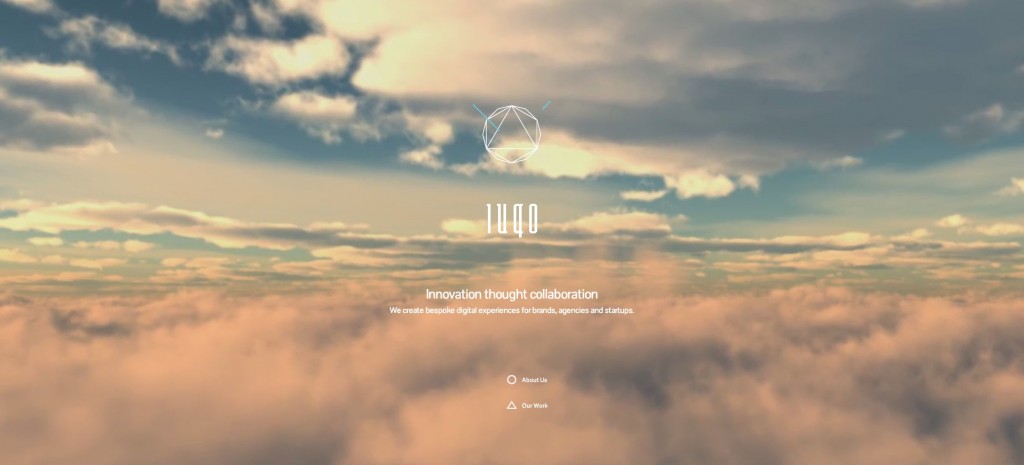
No music, just flight. Who doesn’t love travelling through clouds without leaving your seat? This almost seamless video evokes excitement and anticipation-you’re heading somewhere, you simply don’t know where. I can’t inform you how long I’ve stared at this video (it might be embarrassing). The takeaway is this site stirred my emotions, held my attention, and left an enduring impression.
Before They

I dare you to drag up this website and never scroll through. Stunning, high-resolution images and intuitive design tell a narrative that appeals on your emotions.
A recent study on patients tormented by hippocampus damage, which include Alzheimer’s disease, shows that emotions linger even after memories fade. Although a visitor won’t remember everything you’ve said, they’ll remember the sensation. That feeling will make them return persistently.
The point of all design is to interact viewers. Engendering positive emotions may end up in longer visits, higher engagement, and more excitement about your product.
Important Components of Emotional Design
Many people depend on text to form emotional bonds with their visitors, but text alone just isn’t enough to create emotion.
Even on a domain like Zen Habits, that is famously minimalist, it’s emotional appeal doesn’t derive solely from text. As a reader, you’re feeling at peace, or zen, at the site as it was designed in the sort of way as to awaken that emotion within you. There’s no sidebar. There’s no images. But, there’s white space, and plenty of it. It feels pure, authentic, and truthful.
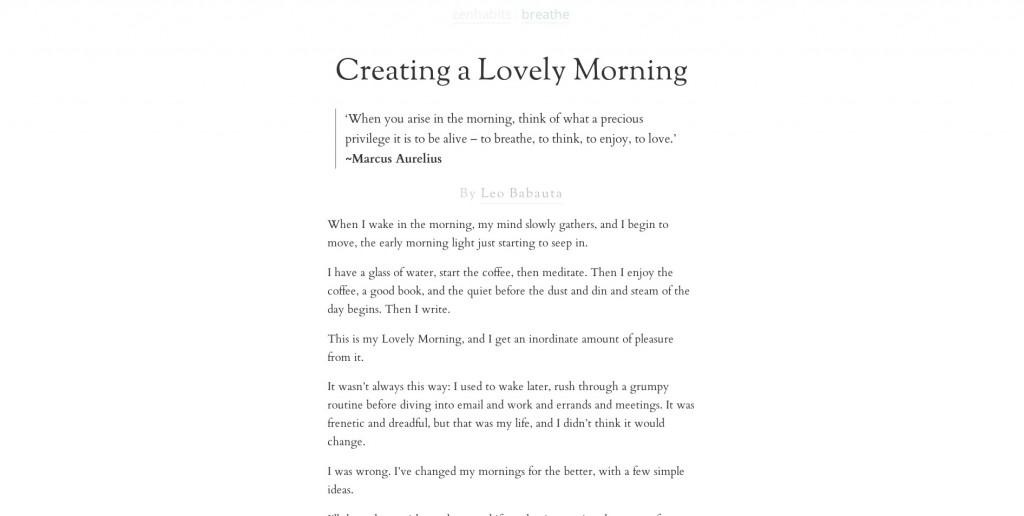
As you may tell in Leo Babuata’s design, font type, size, and spacing could make an impact in your emotions. On Zen Habits, the design is intentionally breathable and open. Nothing is cluttered. His typography supports the design but additionally tells the similar story.
What does your font say?
Fonts is usually friendly, serious, smart, and unfortunate. Fonts could be separated into loads of different categories, but for the aim of this text, we’ll discuss the four major categories: Serif (has embellishments at the ends of letters); Sans Serif (without serifs, or embellishments at the ends of letters); Script; and ornamental.
Serif fonts convey traditionalism and respect. Think Times New Roman:
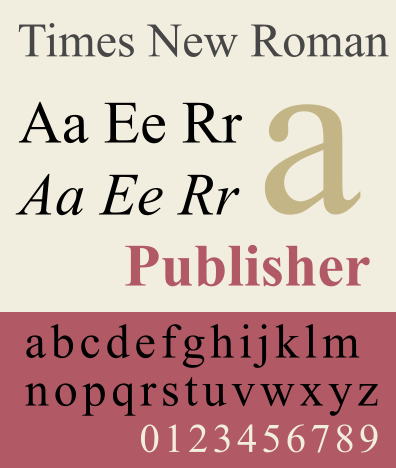
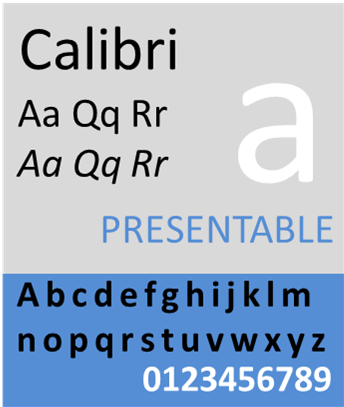
Sans serif fonts are decidedly more modern. Think Calibri:
Script is sophisticated and will be conservative. Think Pacifico:

Decorative is whimsical and inventive. Think Impact Label:
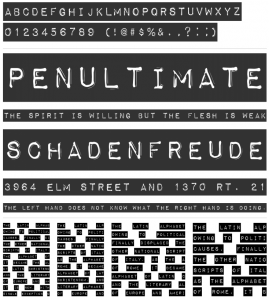
(images courtesy of Wikipedia Images and FontSquirrel)
Which emotion are you hoping to elicit to your design? If you would like respect out of your visitors, elect fonts like New Times Roman or Garamond. On the way to them to view you as creative, try a font that pushes the envelope, like New Facebook or Base 05.
Fonts should echo your design intention. Fonts, like love interests, shouldn’t ever be randomly chosen in keeping with looks. They must manage to further your emotional story.
What about colors?
Color is, undoubtedly, the most effective solutions for introducing and extending emotional response in your website design. Science has proven again and again that humans equate colors to emotions. Why do you think McDonald’s logo yellow and red? It elicits hunger and optimism.
When a user first visitors your website, they get an impression of who you might be, and create a technique during which to narrate to you. Colors, fonts, and other visual design choices automatically set the scene-they’re just like the clothes of an internet site.
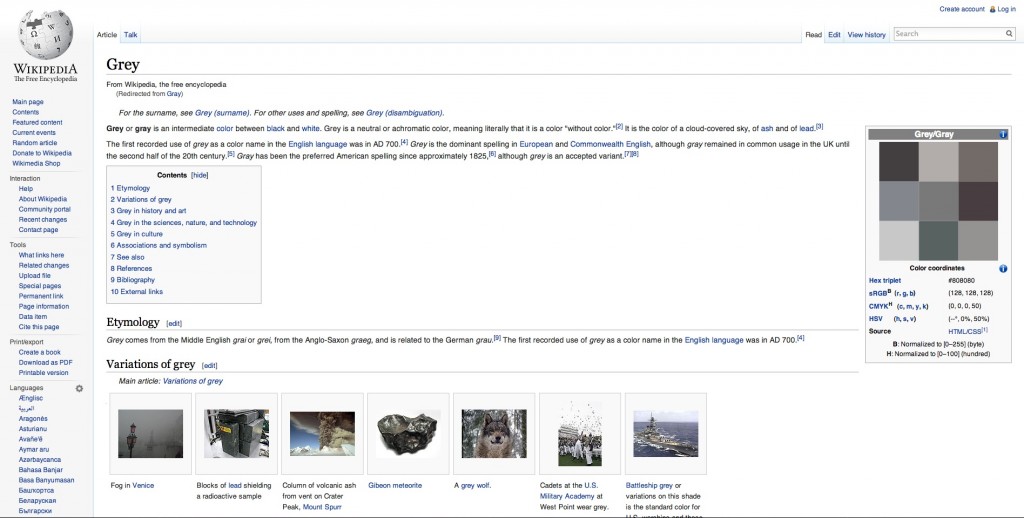
For example, in the event you visit Wikipedia, you can find by the blue and grey color scheme that it’s dependable and reliable. You are able to surmise by the font choice and size that it’s serious and smart. And you may also tell by the photographs that it doesn’t pay for stock. I’m joking, sometimes Wikipedia has great images, but imagery isn’t the focus point of Wikipedia. The guts of Wikipedia, and all websites, is the content. i myself wouldn’t need to sit next to Wikipedia at a celebration. Imagine how boring that may be. But, Wikipedia will be an amazing friend to text. (More about that, later.)
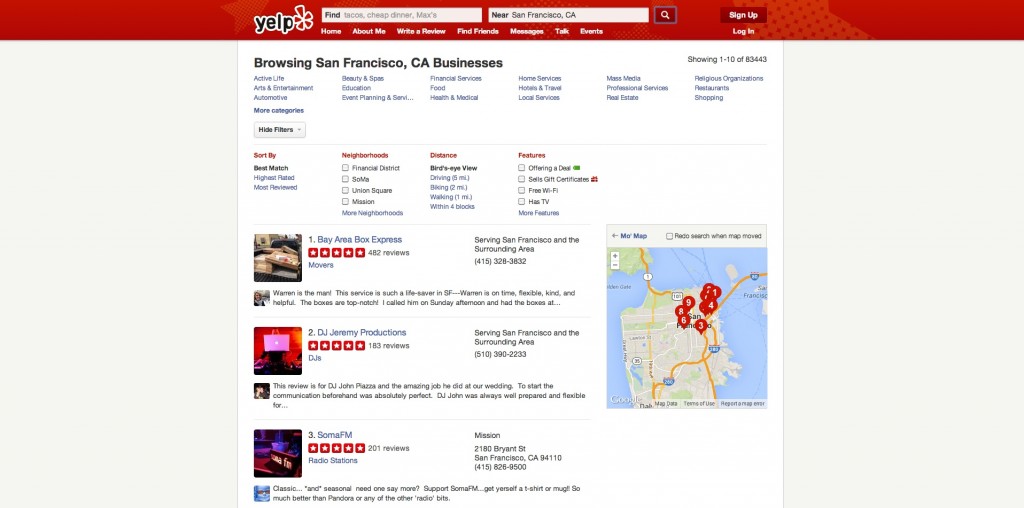
Another example is Yelp, which uses blue and red primarily. What do those colors say together with what we understand about Yelp? It’s looking to be trustworthy and to seize your attention. Red definitely pulls the attention to the important thing feature of Yelp-the reviews. Although red could make you hungrier when you’re interested by food, it would also grab your attention even if you’re not hungry.
 0
0
Some websites are green and blue. One example is TripAdvisor, which uses these colors to convey a feeling of relaxation (you’re going on vacation, of course), and trust (you’re reading actual reviews from other users).
Have you spotted the rage? Blue will likely be utilized in website design to speak trust and dependability.
Let’s look at how colors engage our emotions:
- Yellow: Happy, Optimistic, Clarity,
- Orange: Friendly, but adore it or hate it
- Red: Exciting, Youthful, Urgent, Attention Grabbing
- Purple: Creative, Imaginative, Uplifting
- Blue: Trustworthy, Dependable, Secure
- Green: Peaceful, Growth, Relaxing
- Gray: Balance, Neutral, Reliable, Intelligent
- Black: Luxurious, Powerful, Authoritative
A lot folks choose colors because they compliment one another, or simply because they’re pretty, but when you pick the incorrect color, it is able to send out a mixed emotional message for your visitor. For instance, most online e-commerce businesses, like PayPal, Stripe, and Authorize.Net prominently use blue of their designs, and avoid the colour red- that’s exciting but not necessarily secure. At the flipside, there are financial sites like Bank of America that uses red prominently. Bank of America uses red exclusively to sell products, however it does balance the sense of urgency created by red with healthy doses of blue (security) and grey (reliability).
Referring back in your color choices, are you able to see how your design is exciting those emotions?
What about content?
Posted in Web Design
Posted on May 27, 2014 at 3:53 pm
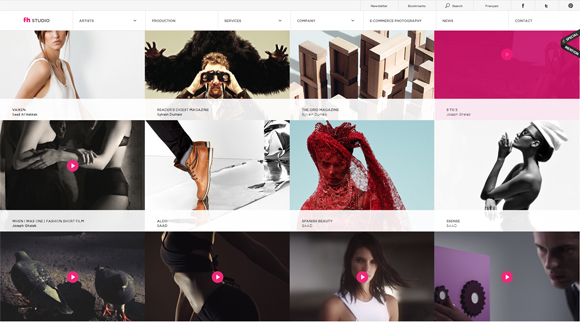
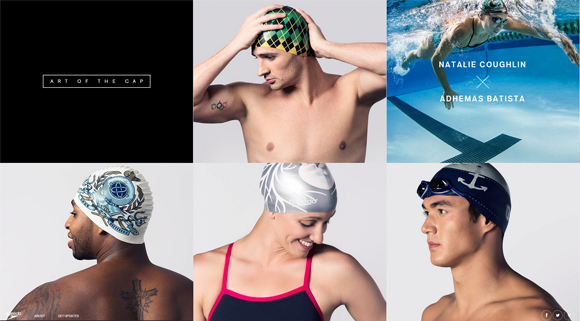
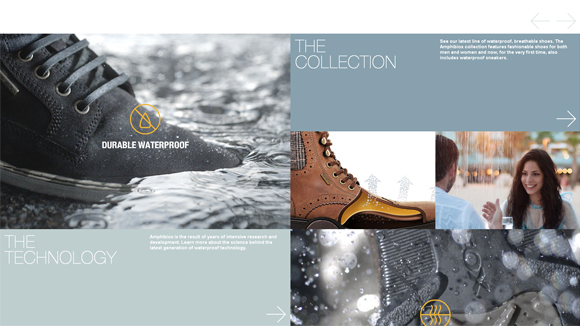
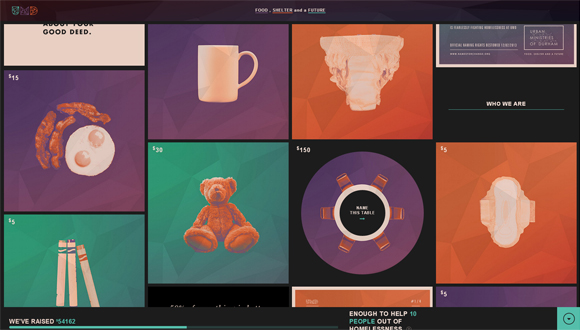
There are such a lot of how one can present website content to the general public. Let’s take a better study websites that feature square and rectangular elements. Most commonly, square blocks are utilized in portfolio and e-commerce websites as it’s the most effective method to organize and showcase a huge variety of works, comparable to designs, photographs, products, etc. Squares and rectangles make things clear and intelligible.
Boxed shapes on a web site can be interactive, meaning they react on mouse over or mouse click. It could add more usability and emotions on your design. Users love websites which reply to them somehow, despite the fact that it’s just highlighted in an extra color while you hover over the image. It’s better to determine than to listen to – an image paints 1000 words. So, look at these 20 creative websites featuring square elements to get inspiration from.
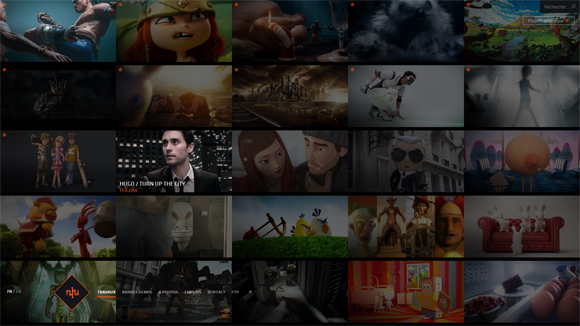
NKI Studio
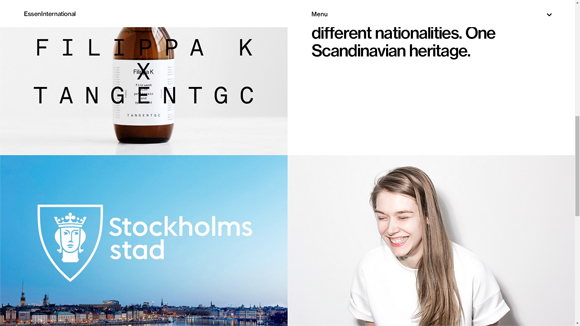
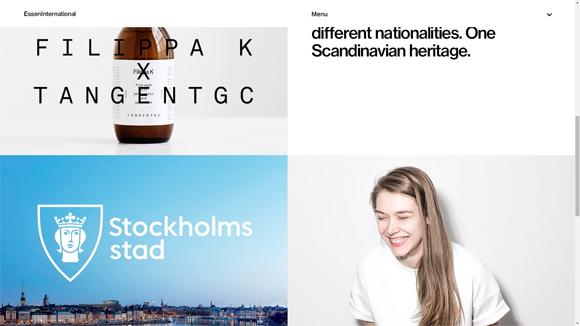
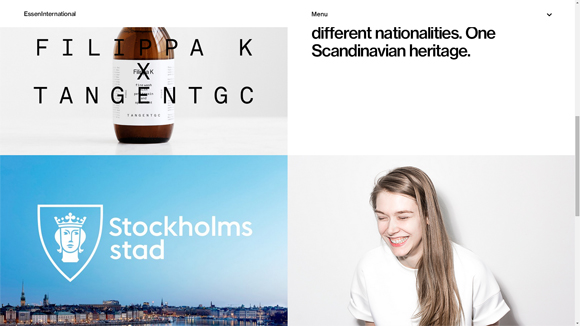
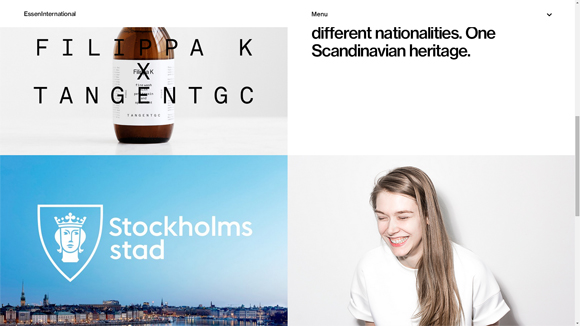
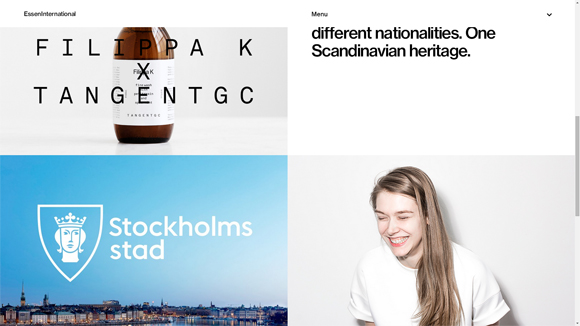
Esseninternational
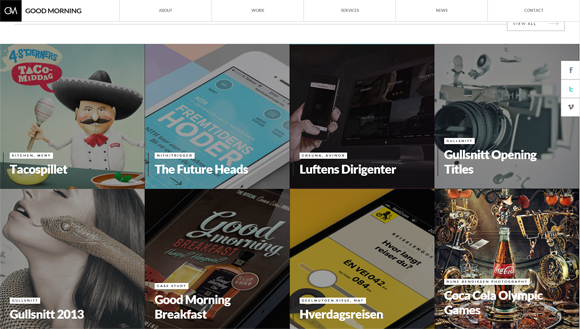
Good Morning
GlossyRey
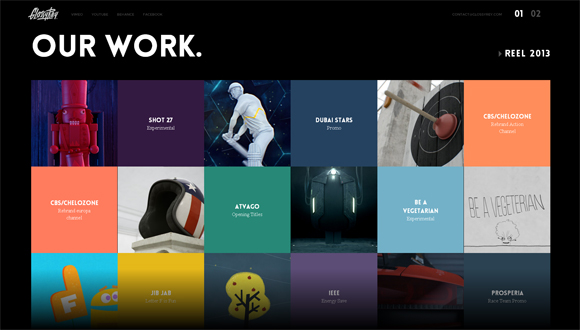
fh studio
Art of The Cap
Geox Amphibiox
Names for Change
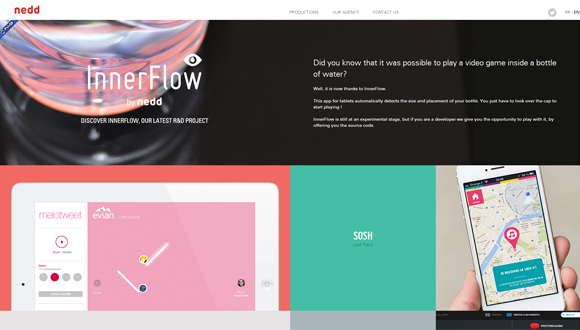
Nedd
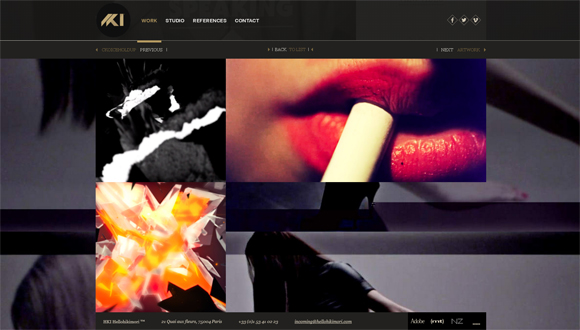
HelloHikimori
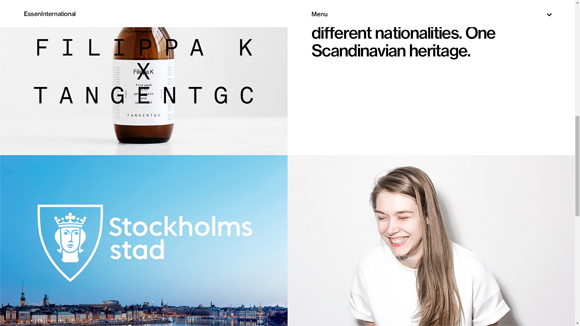
Cropp
 0
0
mojotech
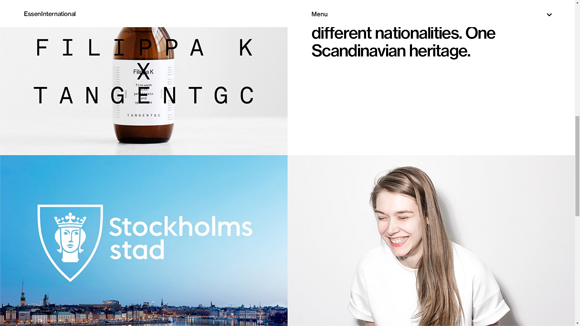 1
1
Mustafa Demirkent
 2
2
ELI
 3
3
La Vie a LA Fresh
 4
4
Lois Jeans
 5
5
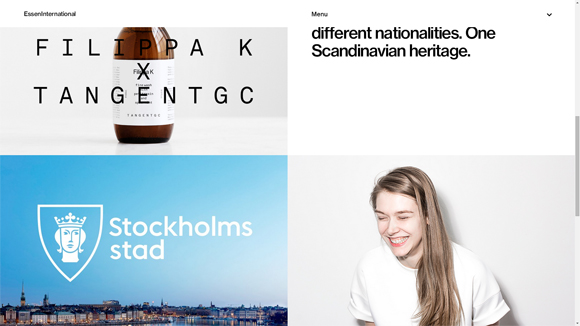
The Hungry Workshop
 6
6
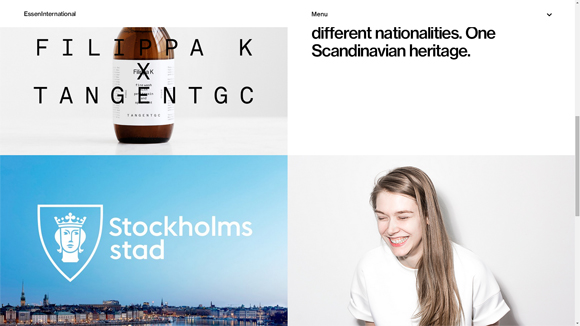
Etch Apps
 7
7
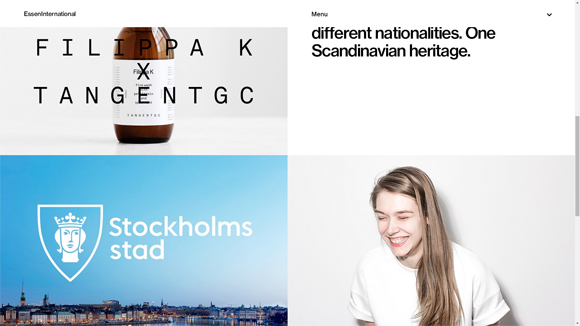
Hommard
 8
8
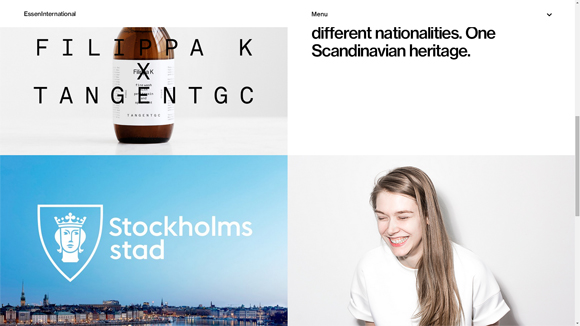
Far from the Tree
 9
9
Posted in Web Design
Posted on May 23, 2014 at 1:34 pm
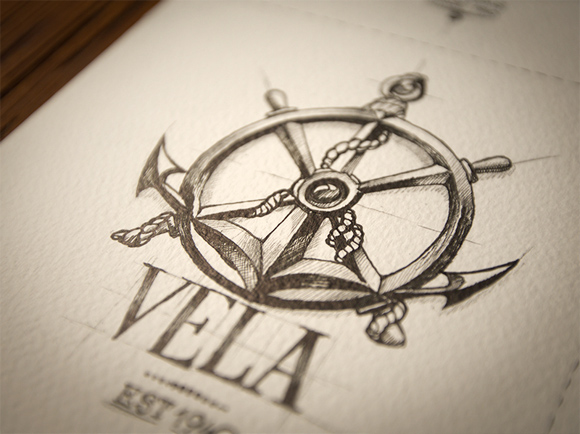
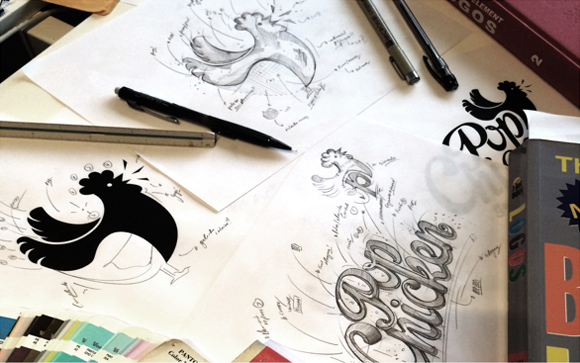
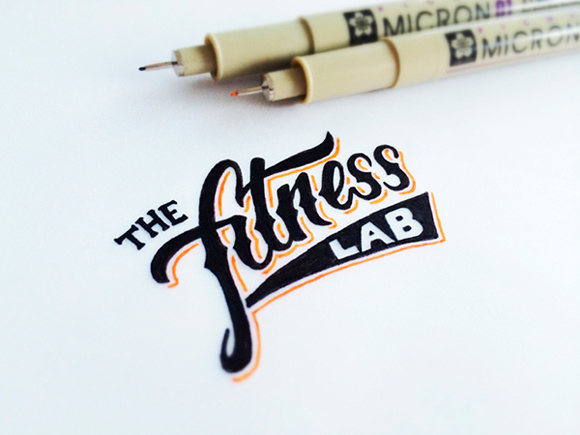
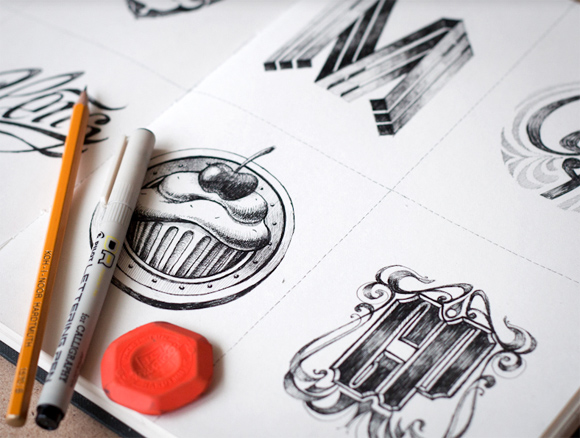
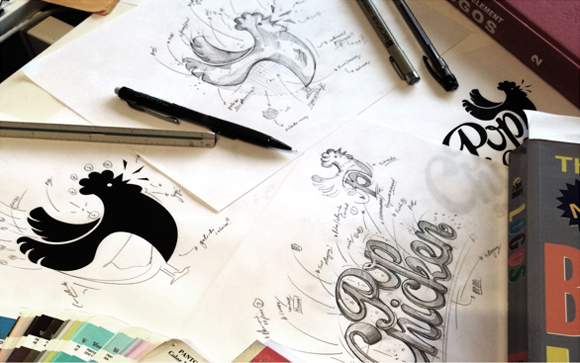
Creating a symbol isn’t very that easy because it could seem on the first glance. It requires loads of refinement and improvement before the general logo comes. Ink and a white piece of paper are the appropriate tools for creatives to get inspired. No program can provide the identical sort of freedom as paper does.
Most graphic designers put their ideas on paper first, after which edit them with Photoshop, Illustrator, or other digital editing programs. The principle goal of any logo is to be remarkable, memorable and straightforward collectively.
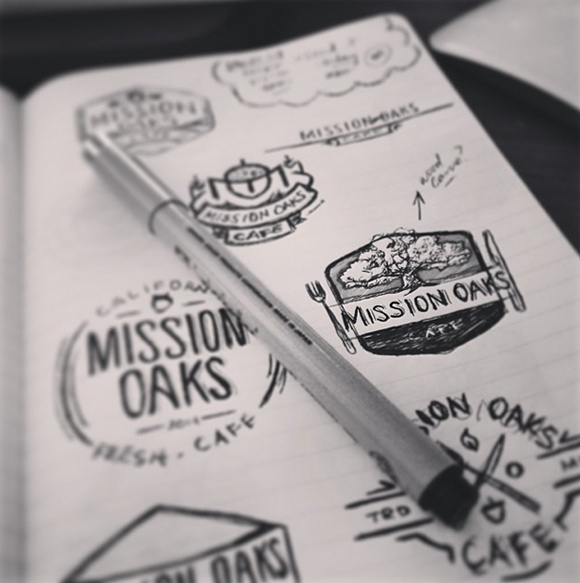
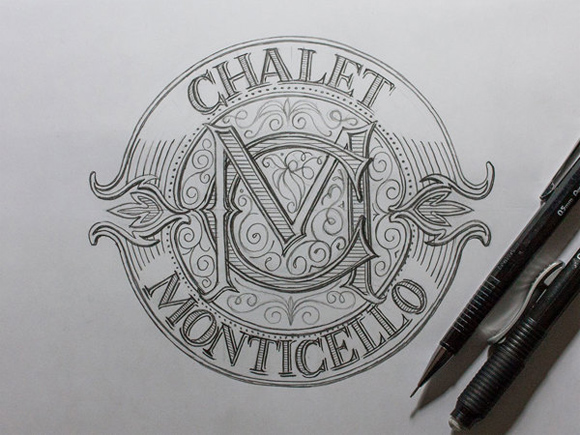
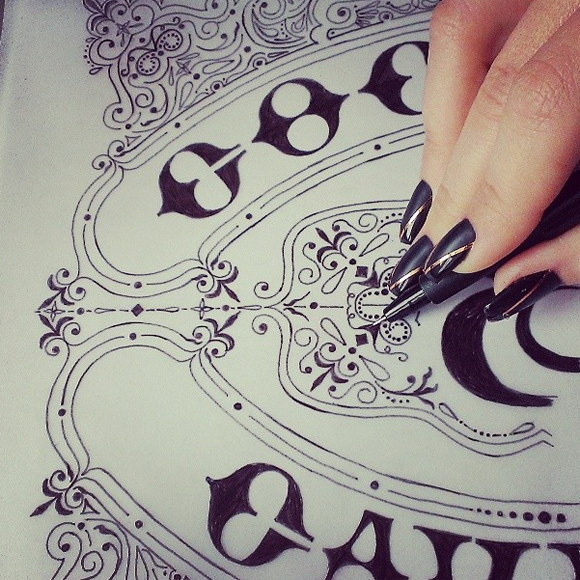
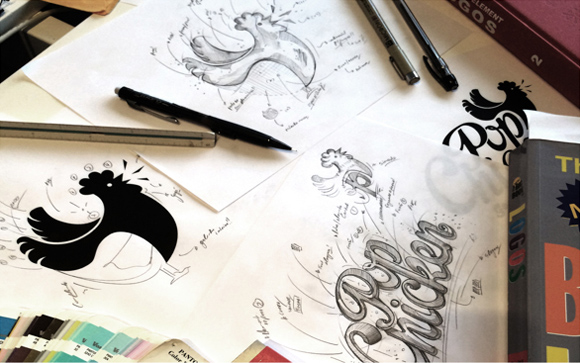
Here are 20 wonderful logo sketches from everywhere in the web that may inspire you on your next project which needs illustrations of any kind. Don’t pass by our previous number of typography sketches!
1. LogoPack 2013 by Mike | Creative Mints
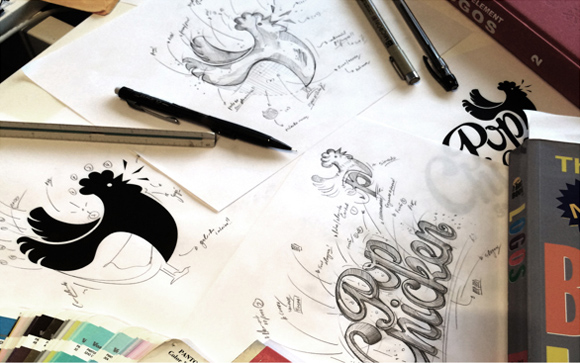
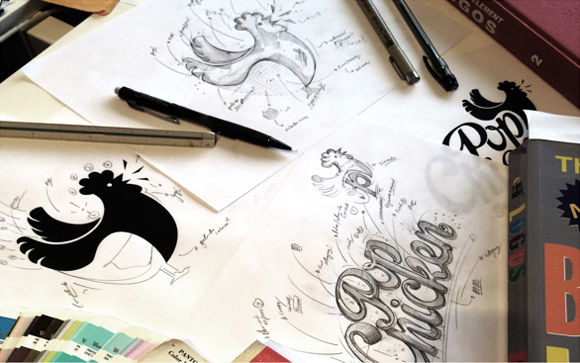
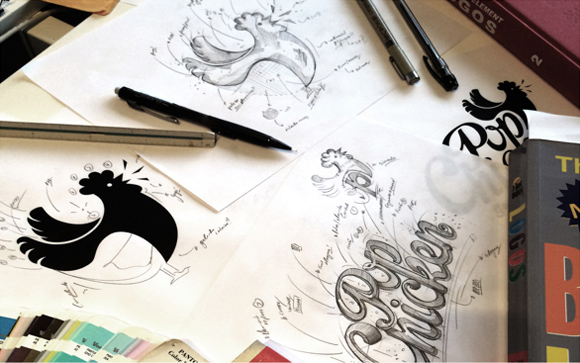
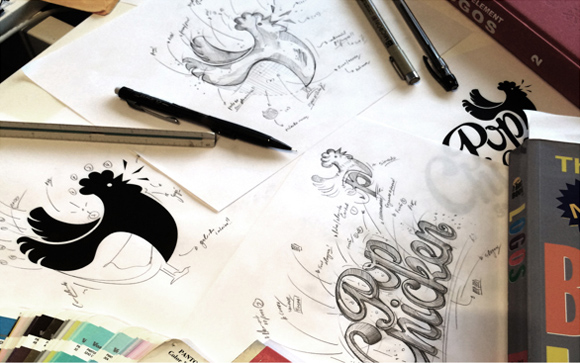
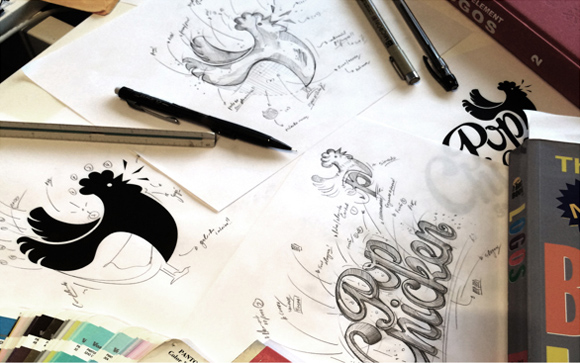
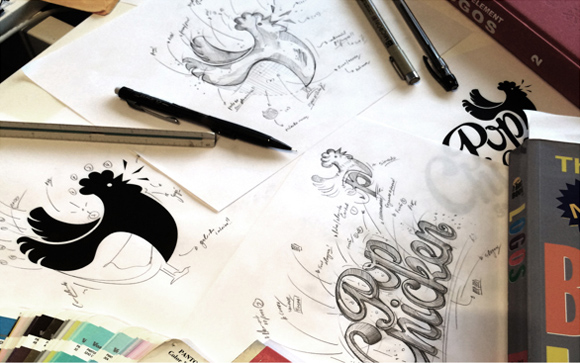
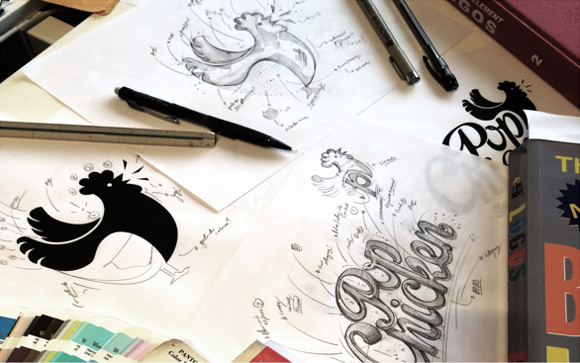
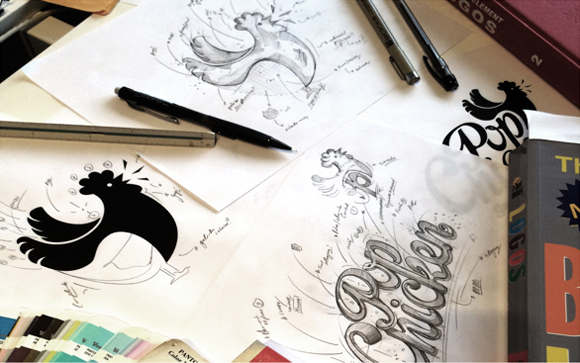
2. PopChicken Gourmet Express // Identity by IndustriaHED™ Branding
3. AppleJack Logo by Artua

4. DANGERDUST BRANDING by DANGERDUST

5. Map pins – heart by Eddie Lobanovskiy

6. The Fitness Lab by Matt Vergotis
7. Logos 2012 by Mike | Creative Mints
8. Mission Oaks Cafe Sketchin’ by Mike Jones
9. Chalet Monticello by Jackson Alves
10. Hand Lettering by Valentina Badeanu
11. PizzaLista – 2013 by DotHaus
 0
0
12. Ink & Paper – 2014 by Alexandre Godreau
 1
1
13. LOGO by Gülsah Alcın
 2
2
14. Logotypes & Icons by Mike
 3
3
15. AspireBoard sketches by Eddie Lobanovskiy
 4
4
16. Logos by Ink Ration
 5
5
17. Logo Design by Eddie Lobanovskiy
 6
6
18. ARTY by Andrey Anikanov
 7
7
19. Logotypes collection | 2012-2013 by Mike
 8
8
20. Logotypes by Mike | Creative Mints
 9
9
Posted in Web Design
Posted on May 19, 2014 at 1:49 pm
When creating the hot design for WDL, I knew that i needed to create a cleaner and more minimalistic design than I had with any of the former versions of the location. And that i also desired to do something new and unique with the social sharing buttons – something that had not been done before. The end result was a clickable bar graph that enables the user to quickly see which social sites are providing one of the most shares for a given post, together with a display of total shares.
Since launching the redesign, we’ve had lots of people asking how we did it. If you’re a kind of people, keep reading and I’ll show you the way.
The Markup
You can see on the top of this post that I added our bar graph right below the title. Within the single.php file of your WordPress theme, add this code somewhere below the_title() or wherever you’d like it to be displayed.
<div class="socialShare clearfix">
<div class="sharedCount">
<span class="count"></span>
<span class="shares">shares</span>
</div>
<ul class="icons clearfix">
<li class="icon twitter social"><a href="https://twitter.com/share" data-url="<?php echo get_permalink(); ?>" data-text="<?php echo get_the_title(); ?> <?php echo get_permalink(); ?> via @webdesignledger"></a></li>
<li class="icon google social"><a href="https://plus.google.com/share" data-url="<?php echo get_permalink(); ?>"></a></li>
<li class="icon facebook social"><a href="https://www.facebook.com/sharer/sharer.php" data-url="<?php echo get_permalink(); ?>" data-text="<?php echo get_the_title(); ?> <?php echo get_permalink(); ?> via @webdesignledger" target="_blank"></a></li>
<li class="icon linkedin social"><a href="http://www.linkedin.com/shareArticle" data-url="<?php echo get_permalink(); ?>" data-text="<?php echo get_the_title(); ?>"></a></li>
</ul>
<script>parseSharedCount("<?php echo get_permalink(); ?>");</script>
</div>
On line 12, we pass the post’s URL to the parseSharedCount function we’ll create within the next steps.
Getting the full Shares
First, you wish to get the whole shares. The best way is to take advantage of a service that does it for you. After a fast Google search, i found SharedCount, a neat little site that did just what i wanted, and better of all, they’d a simple to exploit API. But to make use of the API, you first must get an API key.
Once you’ve signed up and received your key, create a brand new file and name it something like “sharedcount.js”. We’ll put all of our jQuery stuff on this file. Start by pasting during this code:
(function($){
sharedCount = function(url, fn) {
url = encodeURIComponent(url || location.href);
var domain = "//free.sharedcount.com/"; /* SET DOMAIN */
var apikey = "" /*API KEY HERE*/
var arg = {
data: {
url : url,
apikey : apikey
},
url: domain,
cache: true,
dataType: "json"
};
if ('withCredentials' in new XMLHttpRequest) {
arg.success = fn;
}
else {
var cb = "sc_" + url.replace(/\W/g, '');
window[cb] = fn;
arg.jsonpCallback = cb;
arg.dataType += "p";
}
return $.ajax(arg);
};
On line 5, add your API key between the quotes. This function is what communicates with the SharedCount.com API, and returns the entire data that we’ll need.
Parse the SharedCount Data
Now that we have got a function to fetch the SharedCount data, we have to do something useful with it. So let’s create a function on the way to pull out the person shares for every social site that we’re occupied with, and total them up. Add this code in your file:
parseSharedCount = function(url) {
sharedCount(url, function(data){
var twitterCount = data.Twitter;
var facebookCount = data.Facebook.total_count;
var googleCount = data.GooglePlusOne;
var linkedinCount = data.LinkedIn;
var totalCount = twitterCount+facebookCount+linkedinCount+linkedinCount;
var offset = 25;
var twitterHeight = Math.ceil(twitterCount/totalCount*100)+offset;
var facebookHeight = Math.ceil(facebookCount/totalCount*100)+offset;
var googleHeight = Math.ceil(googleCount/totalCount*100)+offset;
var linkedinHeight = Math.ceil(linkedinCount/totalCount*100+offset);
$(".socialShare .count").text(totalCount);
$(".socialShare .icon.twitter").css('height',twitterHeight+'%');
$(".socialShare .icon.facebook").css('height',facebookHeight+'%');
$(".socialShare .icon.google").css('height',googleHeight+'%');
$(".socialShare .icon.linkedin").css('height',linkedinHeight+'%');
$(".socialShare").addClass('loaded');
});
}
})(jQuery);
On lines 3-7, we pull out the person values for every social site. Then on lines 9-13, a percentage is calculated in keeping with those values. The “offset” value is used to verify each bar has some height in order that the icon might be displayed although that exact site doesn’t have any shares. Finally, on lines 15-20, we set the entire share count text and use those percentage values to set the peak on each bar. Adding the category “loaded” to the containing div will kick off the CSS animations.
Make the Bars Clickable
The final little bit of code we’ll add to the sharedcount.js file will make the bars into buttons. In order that when clicked each bar will open it’s respective social sharing popup window.
jQuery(document).ready(function( $ ) {
$(".social.icon a").click(function(){
var url = $(this).attr('data-url');
var text = $(this).attr('data-text');
var href = $(this).attr('href');
if($(this).parent().hasClass('twitter')){
window.open(href+"?text="+text+"&url="+url, "", "height=400,width=600,toolbar=no,menubar=no,left=300,top=300");
}else if($(this).parent().hasClass('facebook')){
window.open(href+"?t="+text+"&u="+url, "", "height=400,width=600,toolbar=no,menubar=no,left=300,top=300");
}else if($(this).parent().hasClass('google')){
window.open(href+"?&url="+url, "", "height=400,width=600,toolbar=no,menubar=no,left=300,top=300");
}else if($(this).parent().hasClass('linkedin')){
window.open(href+"?mini=true&summary="+text+"&url="+url, "", "height=400,width=600,toolbar=no,menubar=no,left=300,top=300");
}
return false;
});
});
Here’s everything that are meant to be in our sharedcount.js file:
(function($){
sharedCount = function(url, fn) {
url = encodeURIComponent(url || location.href);
var domain = "//free.sharedcount.com/"; /* SET DOMAIN */
var apikey = "" /*API KEY HERE*/
var arg = {
data: {
url : url,
apikey : apikey
},
url: domain,
cache: true,
dataType: "json"
};
if ('withCredentials' in new XMLHttpRequest) {
arg.success = fn;
}
else {
var cb = "sc_" + url.replace(/\W/g, '');
window[cb] = fn;
arg.jsonpCallback = cb;
arg.dataType += "p";
}
return $.ajax(arg);
};
parseSharedCount = function(url) {
sharedCount(url, function(data){
var twitterCount = data.Twitter;
var facebookCount = data.Facebook.total_count;
var googleCount = data.GooglePlusOne;
var linkedinCount = data.LinkedIn;
var totalCount = twitterCount+facebookCount+linkedinCount+linkedinCount;
var offset = 25;
var twitterHeight = Math.ceil(twitterCount/totalCount*100)+offset;
var facebookHeight = Math.ceil(facebookCount/totalCount*100)+offset;
var googleHeight = Math.ceil(googleCount/totalCount*100)+offset;
var linkedinHeight = Math.ceil(linkedinCount/totalCount*100+offset);
$(".socialShare .count").text(totalCount);
$(".socialShare .icon.twitter").css('height',twitterHeight+'%');
$(".socialShare .icon.facebook").css('height',facebookHeight+'%');
$(".socialShare .icon.google").css('height',googleHeight+'%');
$(".socialShare .icon.linkedin").css('height',linkedinHeight+'%');
$(".socialShare").addClass('loaded');
});
}
})(jQuery);
jQuery(document).ready(function( $ ) {
$(".social.icon a").click(function(){
var url = $(this).attr('data-url');
var text = $(this).attr('data-text');
var href = $(this).attr('href');
if($(this).parent().hasClass('twitter')){
window.open(href+"?text="+text+"&url="+url, "", "height=400,width=600,toolbar=no,menubar=no,left=300,top=300");
}else if($(this).parent().hasClass('facebook')){
window.open(href+"?t="+text+"&u="+url, "", "height=400,width=600,toolbar=no,menubar=no,left=300,top=300");
}else if($(this).parent().hasClass('google')){
window.open(href+"?&url="+url, "", "height=400,width=600,toolbar=no,menubar=no,left=300,top=300");
}else if($(this).parent().hasClass('linkedin')){
window.open(href+"?mini=true&summary="+text+"&url="+url, "", "height=400,width=600,toolbar=no,menubar=no,left=300,top=300");
}
return false;
});
});
Place the file within the js folder of your theme. Your theme must have an area in functions.php where all the theme’s scripts are enqueued. Add the road of code below on this same place to be certain the sharedcount script gets loaded.
wp_enqueue_script('sharedcount', get_bloginfo('template_url').'/js/sharedcount.js', array('jquery'), '0.1', false);
The CSS
For the advent of the bar graph, I went with a clean flat look, in order that it matched the remainder of the design. You’ll have got to add the ensuing CSS to the manner.css file of your WordPress theme. It can offer you what you notice here on WDL, but obviously you are able to tweak it to check your WordPress theme. It’s all pretty basic CSS, but it’s important to notice on lines 84 and 88 we define the .loaded class to enable the animations once the info was loaded.
.socialShare {
color: #fff;
display: block;
margin-bottom: 20px;
padding: 0;
height: 73px;
position: relative;
border-bottom: 3px solid #d8d8d8;
width: 250px;
}
.socialShare .sharedCount{
position: relative;
font-size: .9em;
display: block;
box-shadow: none;
margin-top: 0;
top: 0;
left: 0;
float: left;
opacity: 0;
margin-left: 5px;
-webkit-transition: opacity 0.5s ease;
-moz-transition: opacity 0.5s ease;
-o-transition: opacity 0.5s ease;
transition: opacity 0.5s ease;
background: none;
color: #222222;
border: none;
}
.socialShare .sharedCount .count{
font-size: 1.9em;
display: block;
color: #25bb8b;
}
.socialShare .sharedCount .shares{
font-size: 1.1em;
display: block;
color: #b8b8b8;
}
.socialShare.loaded .sharedCount {
opacity: 1;
}
.socialShare .icons {
margin-bottom: 0;
positon: relative;
}
.socialShare .icon {
display: block;
font-size: 1.2em;
float: left;
margin: 0 0 0 0;
position: absolute;
bottom: 4px;
opacity: 0;
height: 0px;
width: 30px;
-webkit-transition: all 0.7s ease;
-moz-transition: all 0.7s ease;
-o-transition: all 0.7s ease;
transition: all 0.7s ease;
transition-delay: .7s;
-webkit-transition-delay: .7s; /* Safari */
}
.socialShare .icon a{
color: rgba(255,255,255,.7);
display: block;
width: 100%;
height: 100%;
background-size: 20px 20px;
-webkit-transition: all 0.7s ease;
-moz-transition: all 0.7s ease;
-o-transition: all 0.7s ease;
transition: all 0.7s ease;
transition-delay: .7s;
}
.socialShare.loaded .icon {
opacity: 1;
}
.socialShare.loaded .icon a{
-webkit-transition: all 0.7s ease;
-moz-transition: all 0.7s ease;
-o-transition: all 0.7s ease;
transition: all 0.7s ease;
}
.socialShare .icon a:hover{
background-color: #222;
}
.socialShare .icon.twitter{
background: #5ec2df url(images/icon_twitter.png) center 5px no-repeat;
left: 90px;
}
.socialShare .icon.twitter a{
background: #5ec2df url(images/icon_twitter.png) center 5px no-repeat;
}
.socialShare .icon.google{
left: 125px;
-webkit-transition-delay: .7s; /* Safari */
}
.socialShare .icon.google a{
background: #e03e12 url(images/icon_google.png) center center no-repeat;
}
.socialShare .icon.facebook {
left: 160px;
-webkit-transition-delay: .9s; /* Safari */
}
.socialShare .icon.facebook a{
background: #2c6087 url(images/icon_facebook.png) center center no-repeat;
}
.socialShare .icon.linkedin {
left: 195px;
-webkit-transition-delay: 1.2s; /* Safari */
}
.socialShare .icon.linkedin a{
background: #3686ab url(images/icon_linkedin.png) center center no-repeat;
}
As for the icons, there are many free sets available like this one.
That wraps it up. You must now manage to include a social sharing bar graph like ours for your WordPress site. We encourage you to tweak it and make it your individual. As you spotted, we only included four social sites in ours, but SharedCount provides data for lots more. So that you may be ready to add those which can be important to you.
Posted in Web Design
Posted on May 7, 2014 at 10:12 am
By Henry Jones / May 1, 2014 / Inspiration
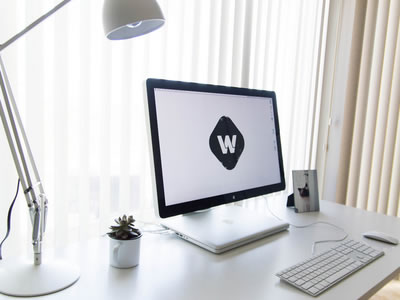
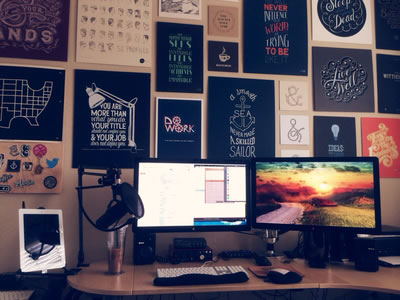
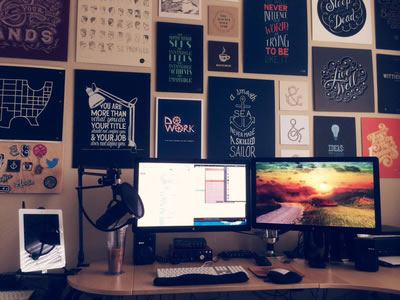
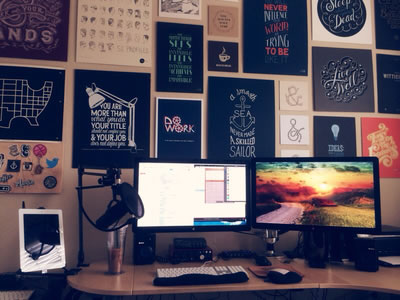
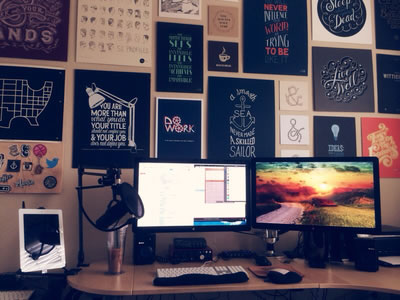
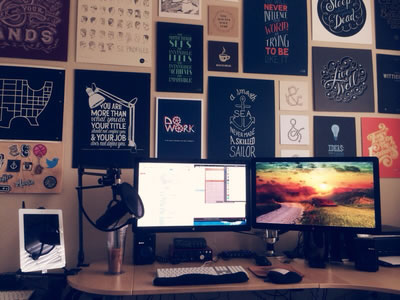
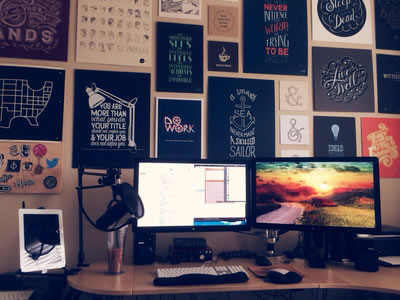
If you wish to have some ideas in your workspace, this post is for you. Browsing Dribbble, we noticed that they’ve a workspace tag where designers share their home offices with us. It’s always inspiring to look neat workspaces, especially once we know we’re seeing actual home offices of real people, and never some interior design shot. Take a look at the spaces we gathered here to get some ideas on your own residence office.
Tina Floersch
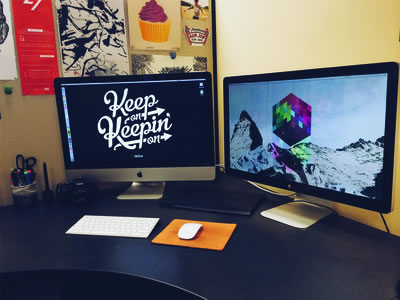
Sean McCabe
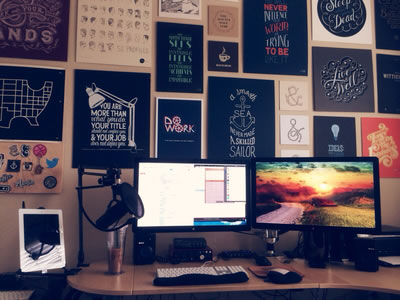
Zach Roszczewski

Alex Giron
Paul Grill
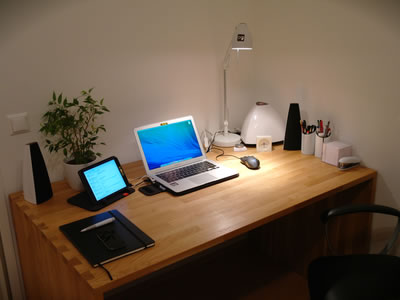
Daniel Immke

Jonathan Howell
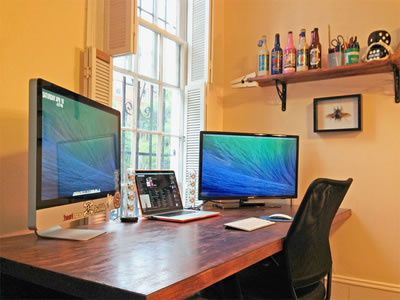
Vincze István
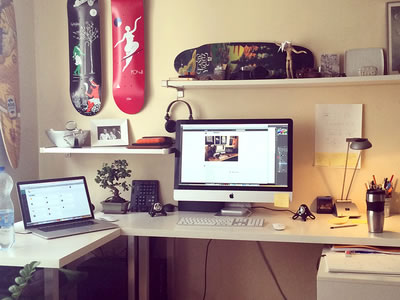
Joshua Söhn
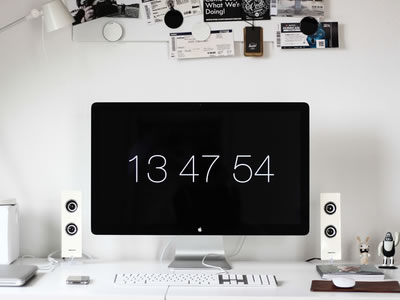
Adam Swisher
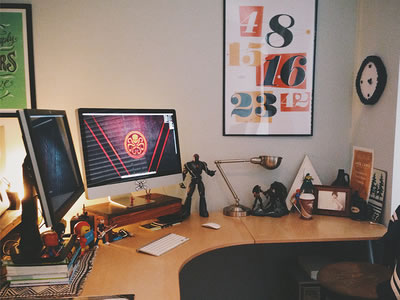
Wade Garrett
 0
0
Yakup Akdemir
 1
1
Tony Thomas
 2
2
Francisco Quijada
 3
3
Joey Lomanto
 4
4
Jeremy Goldberg
 5
5
Posted in Web Design
Posted on May 5, 2014 at 3:20 pm
No one ever said that web typography is straightforward, nonetheless it has gotten easier lately with the wide spread adoption of web fonts, the introduction of helpful typography tools, and as we see on this post, super useful jQuery plugins.
For this post, we’ve gathered 10 jQuery plugins which will help do such things as create fluid text, responsive headlines, cool text animations, and much more.
Squishy
Squishy is a jQuery plugin that automatically resizes text to precisely fit the container without extra work in your part.

slabText
A jQuery plugin for creating big, bold and responsive headlines.

Textillate
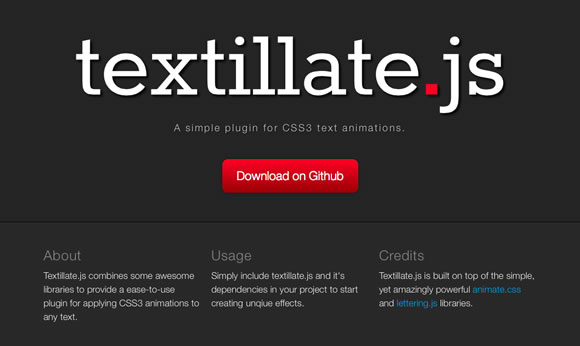
A simple plugin for CSS3 text animations.
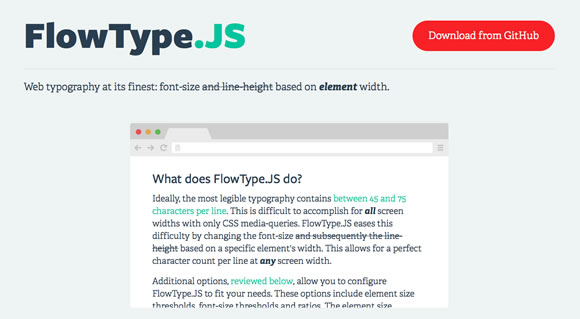
FlowType.JS
Web typography at its finest: font-size and line-height in response to element width.
Hatchshow
A jQuery typesetting plugin for balancing measures.

Bacon
Bacon is a jQuery plugin so one can wrap text around a bezier curve or a line.

CircleType.js
Circletype.js is a tiny (2.7kb) jQuery plugin that permits you to set type on a circle.

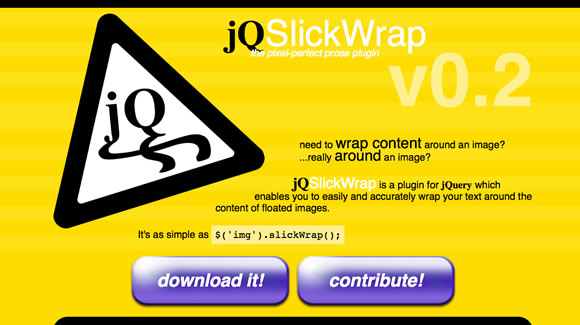
jQSlickWrap
jQSlickWrap is a plugin for jQuery which helps you to easily and accurately wrap your text round the content of floated images.
TypeButter
TypeButter permits you to set optical kerning for any font in your website. If you’re hopeful for beautifully laid out text that today’s browsers just don’t provide, that’s the plugin for you!

Responsive Text
A jQuery plugin to set font sizes responsively in response to its’ container width. Use jQuery responsiveText to have scalable headlines, build responsive tables and more!

Posted in Web Design
Posted on May 3, 2014 at 4:57 pm
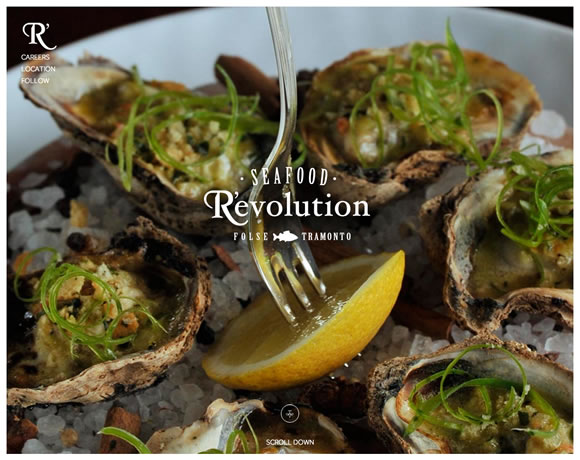
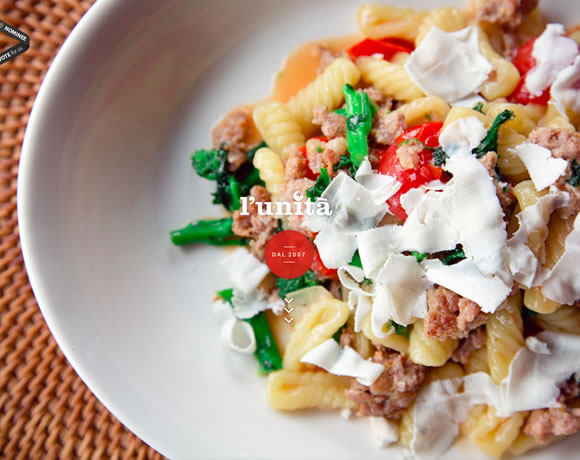
Restaurants and food related websites are usually very inspiring. From exquisite food photography to beautiful type and nice layouts, food related sites can certainly offer quite a few eye candy. numerous designers are beginning to pay more attention to this niche and are developing very solid stuff. There’s certainly some room for improvement within the food industry, however it is sweet to work out that many places are already giving their websites the appropriate attention and creating beautiful and galvanizing designs. Be prepared to get hungry after browsing these beautiful sites. Enjoy!
Seafood Revolution
l’unitá
Tradestone Confections

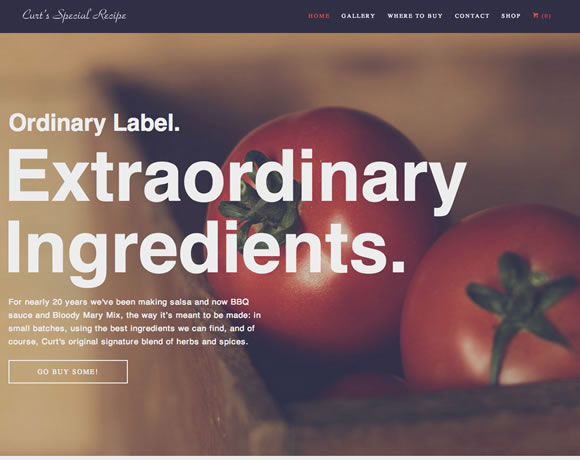
Curt’s Special Recipe
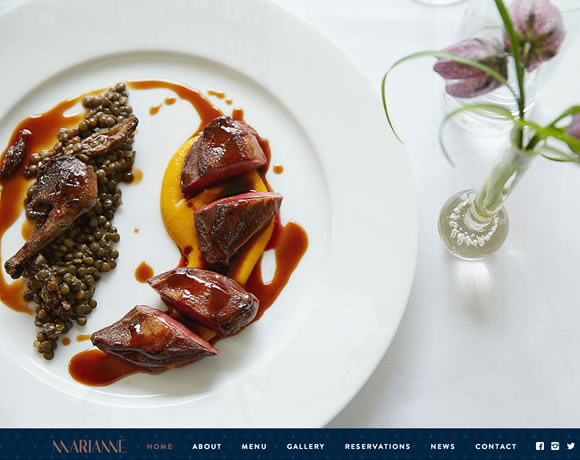
Marianne Restaurant
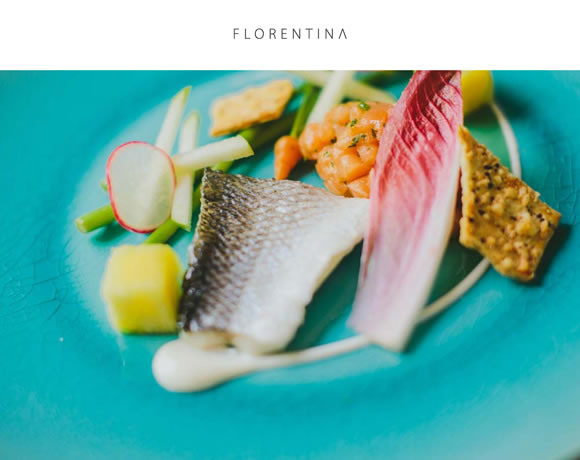
Florentina
Barboncino

Lemonade

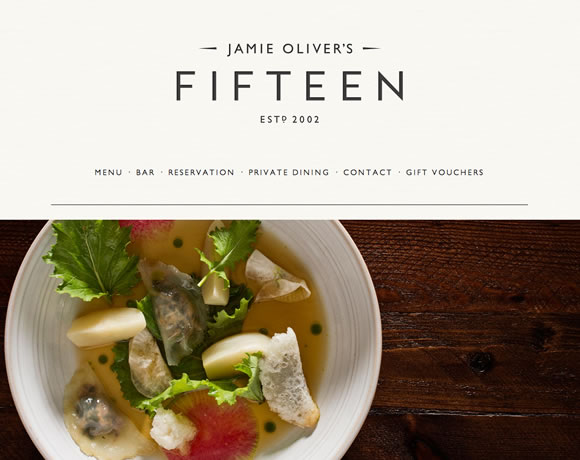
Fifteen
Gilgul
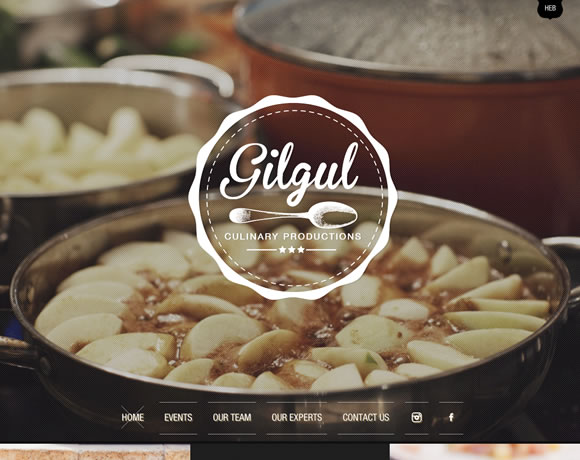
Blackhouse
 0
0
Posted in Web Design
Posted on April 29, 2014 at 11:23 am
By Henry Jones / Apr 24, 2014 / Freebies
Need some fresh fonts to your new projects? We got your back. We’re always looking for good resources for our readers, and fonts are our top priority. Our job is to browse the net and find what you will have. Since we all know it truly is great to locate fresh stuff accessible, we now have this new roundup for you. Enjoy!
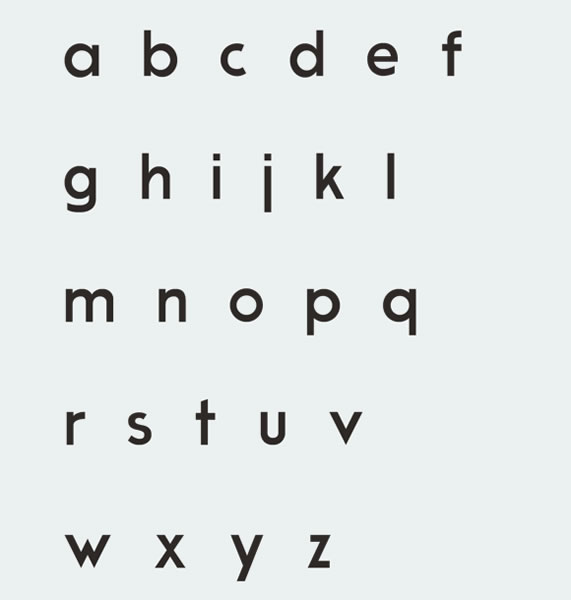
Intro Condensed Free

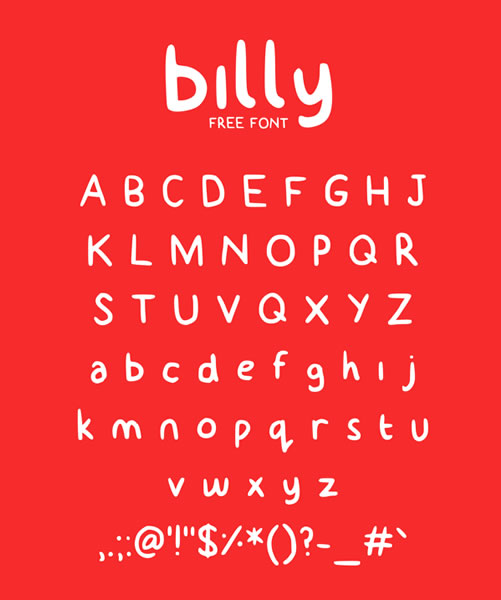
billy typeface (free)
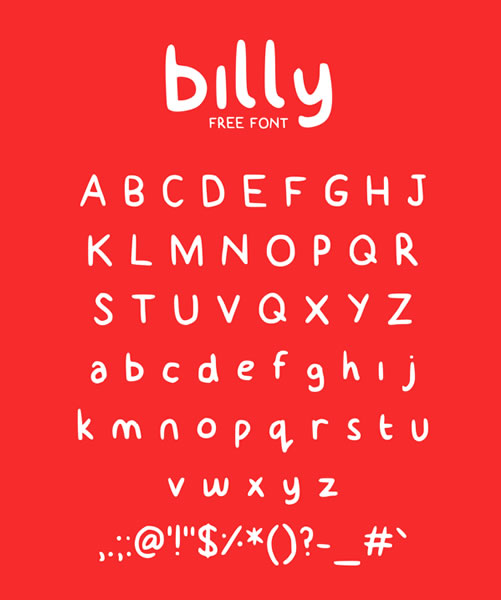
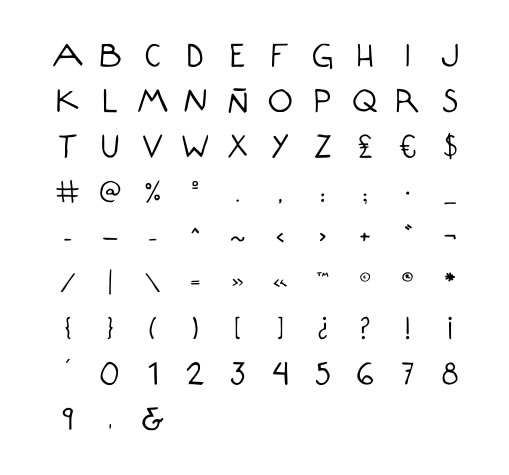
Composition Font
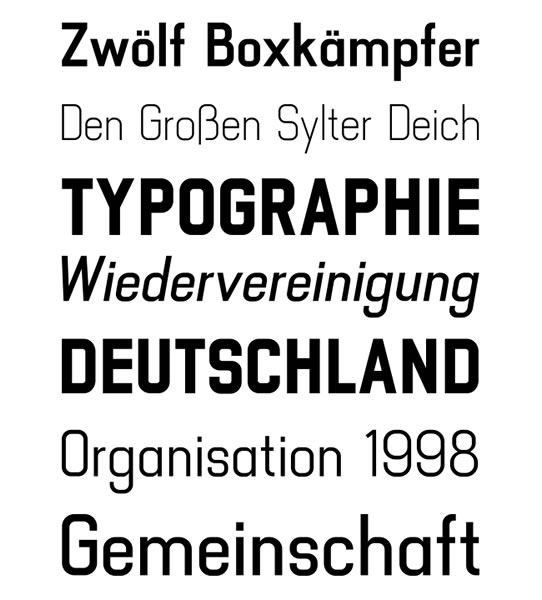
Luzern
Free regular & italic version.
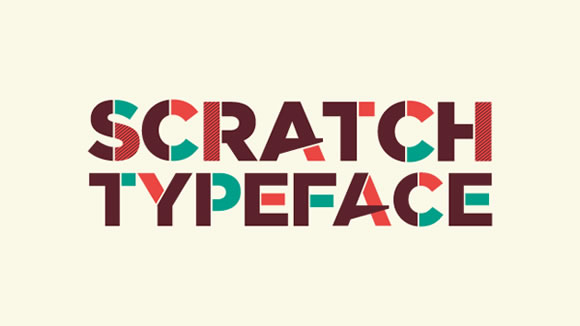
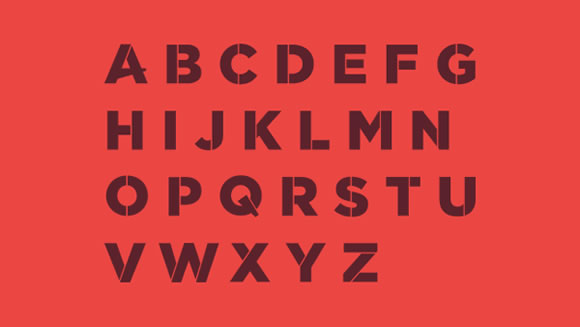
Scratch Typeface
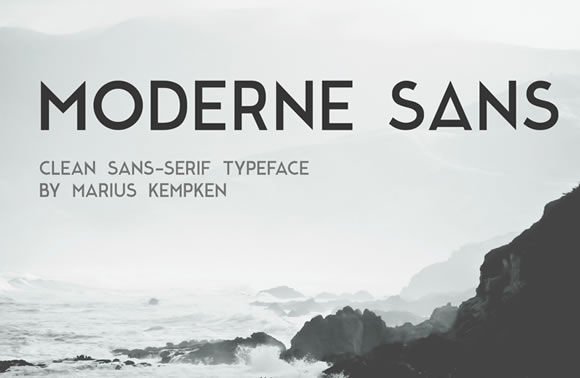
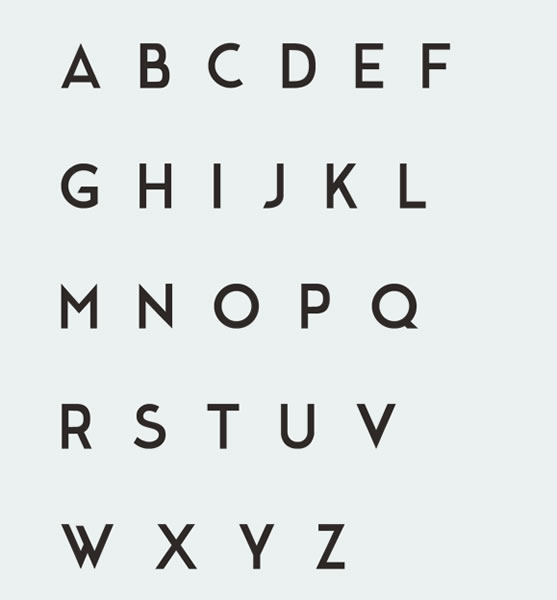
Moderne Sans
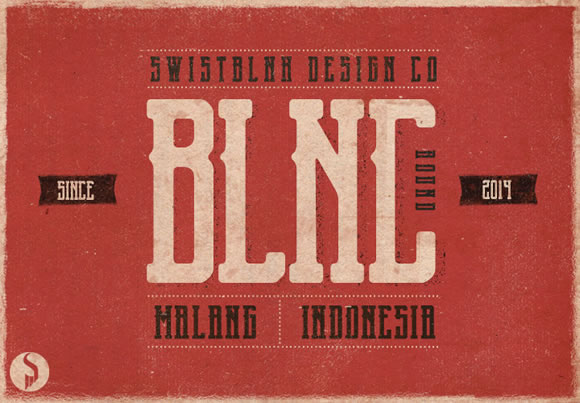
Blnc Round free font
GRAVO
 0
0